
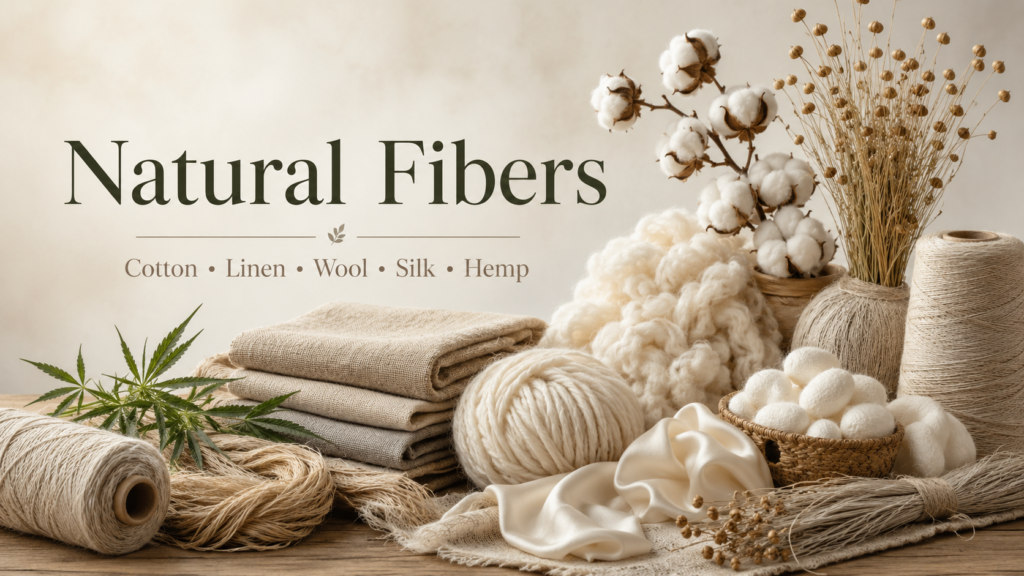
Plant-Based Fibers
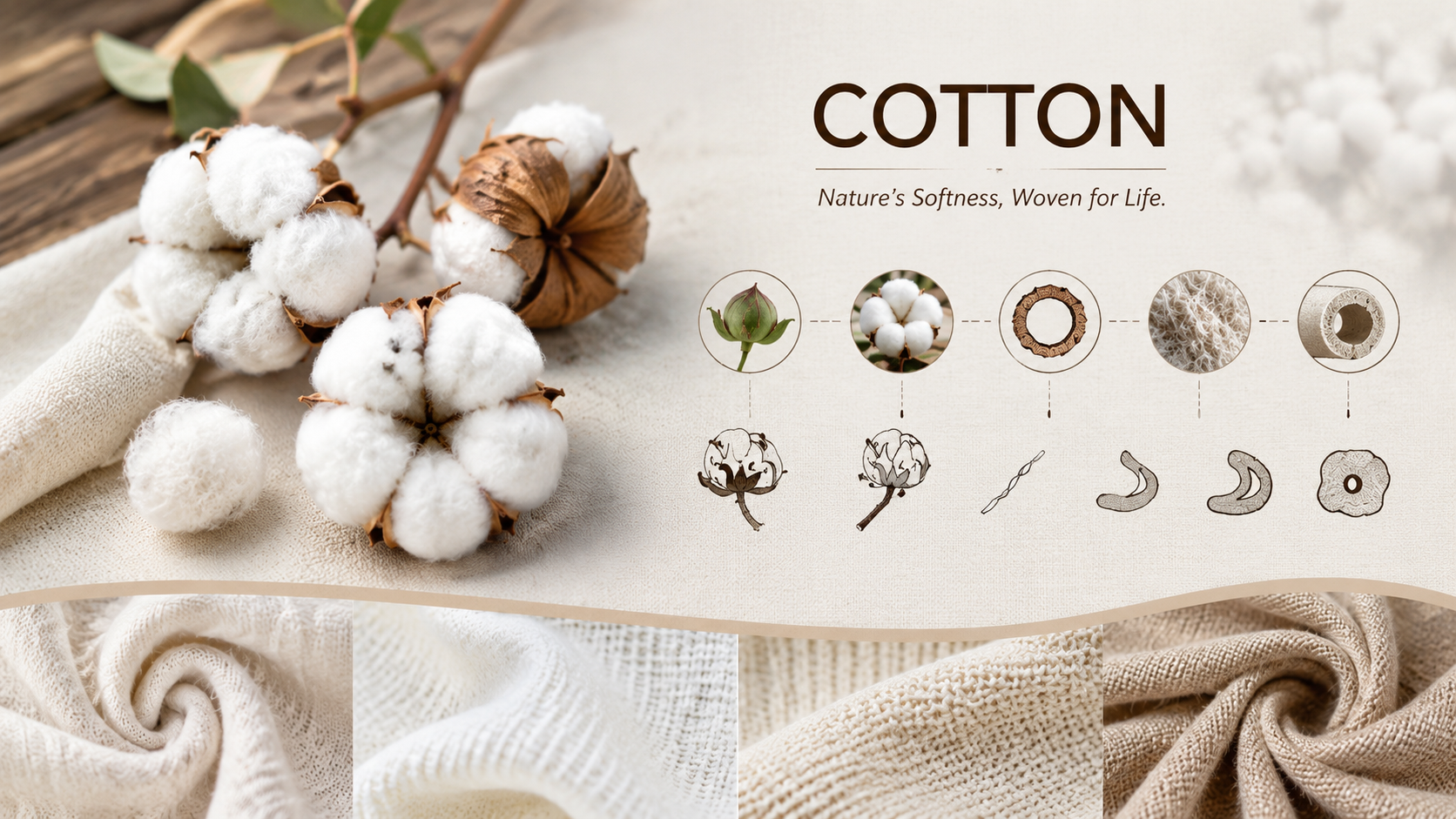
Cotton
- Cotton is a seed fiber harvested from the fluffy fibers attached to cotton seeds. In textile manufacturing, it remains one of the most reliable materials for breathable, skin-friendly fabrics.
- Why manufacturers choose cotton: strong moisture absorption, low static electricity, easy dyeing, and excellent comfort. It can be woven or knitted into daily apparel, bedding, shirting, underwear, socks, and casualwear.
- Key production note: cotton is a staple fiber, usually about 1–6 cm long. Longer and finer fibers, such as long-staple cotton, create smoother yarns and more refined fabrics. Shrinkage, wrinkling, yellowing undesunlight, mildew, and flammability should be managed through finishing and care.
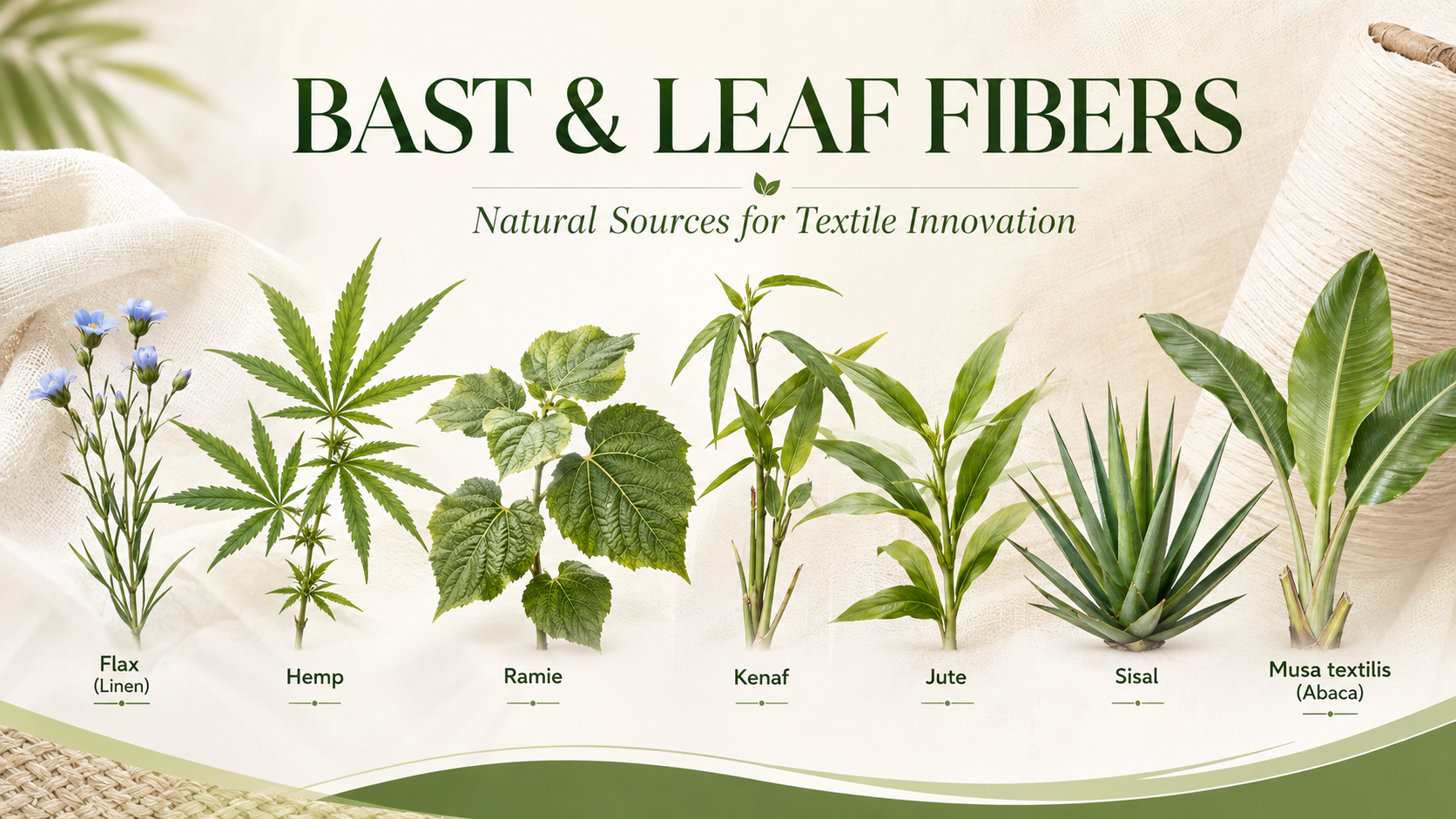
Bast & Leaf Fibers
- Bast and leaf fibers offer a strong, natural option for sustainable textile and industrial applications. Bast fibers include ramie, flax, hemp, jute, and kenaf. Leaf fibers include abaca, sisal, and pineapple leaf fiber.
- For apparel and home textiles, ramie and linen are especially valuable because their fibers are finer and suitable for clothing, towels, lace, table linens, and curtains. Coarser fibers such as jute and kenaf are better for sacks, ropes, carpet backing, and packaging.
- Material advantage: these cellulose-based fibers are absorbent, strong, washable, alkali-resistant, and naturally lustrous. Their lower elasticity means they wrinkle easily, so finishing and fabric construction are important for commercial performance.
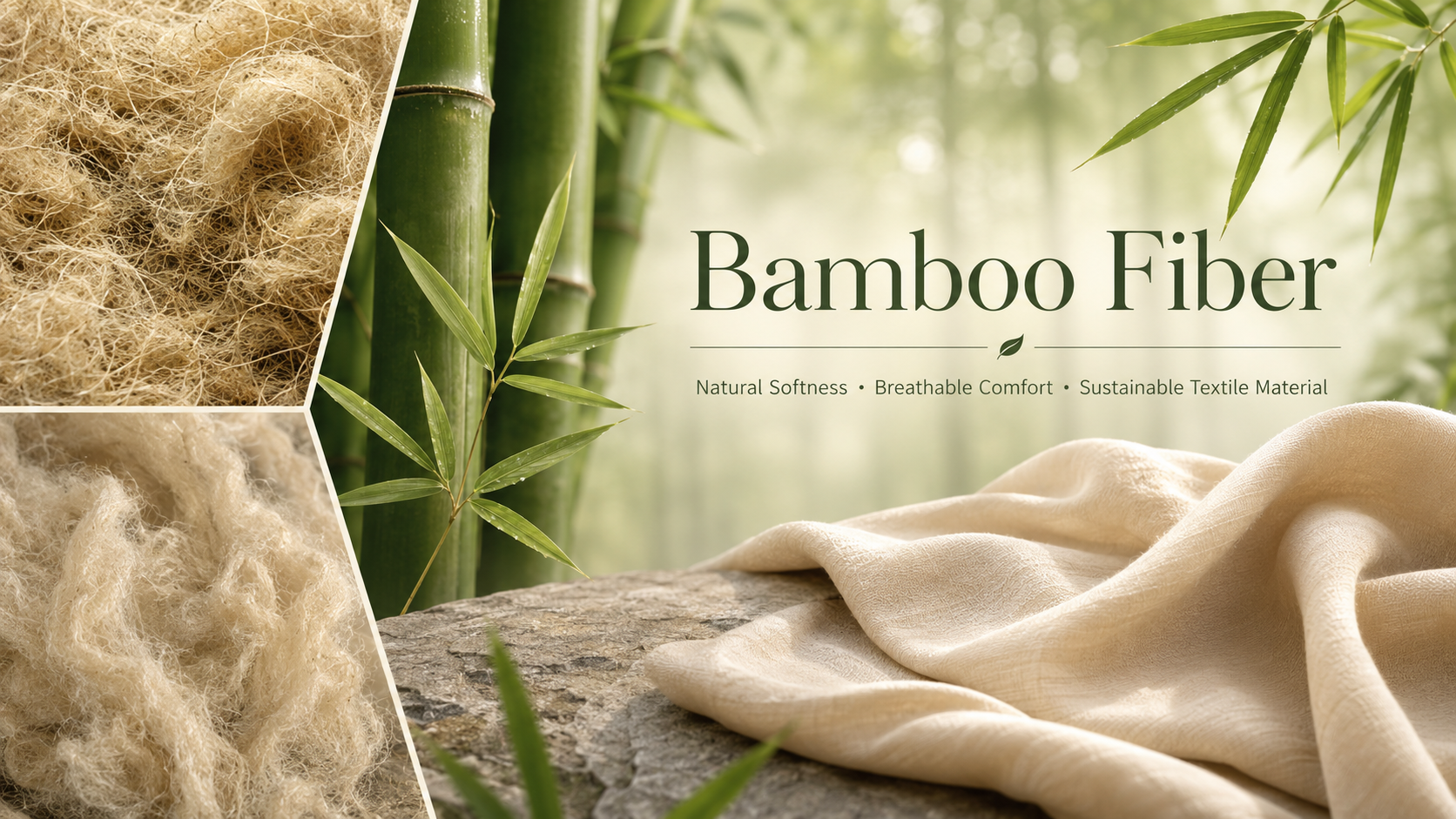
Bamboo Fiber
- Natural bamboo fiber is extracted directly from bamboo through mechanical, physical, and biological processing. The goal is to remove lignin, hemicellulose, bamboo powder, pectin, and other impurities while retaining the fiber’s useful natural properties.
- From a textile development view, bamboo fiber is attractive for breathable, moisture-absorbing, deodorizing, antibacterial, and UV-protective products. Its lower crystallinity supports good dye penetration, making color development more uniform.
- Sustainability value: bamboo fiber is biodegradable under suitable conditions, making it a practical keyword for eco-friendly textiles, natural fiber fabrics, and responsible material sourcing.
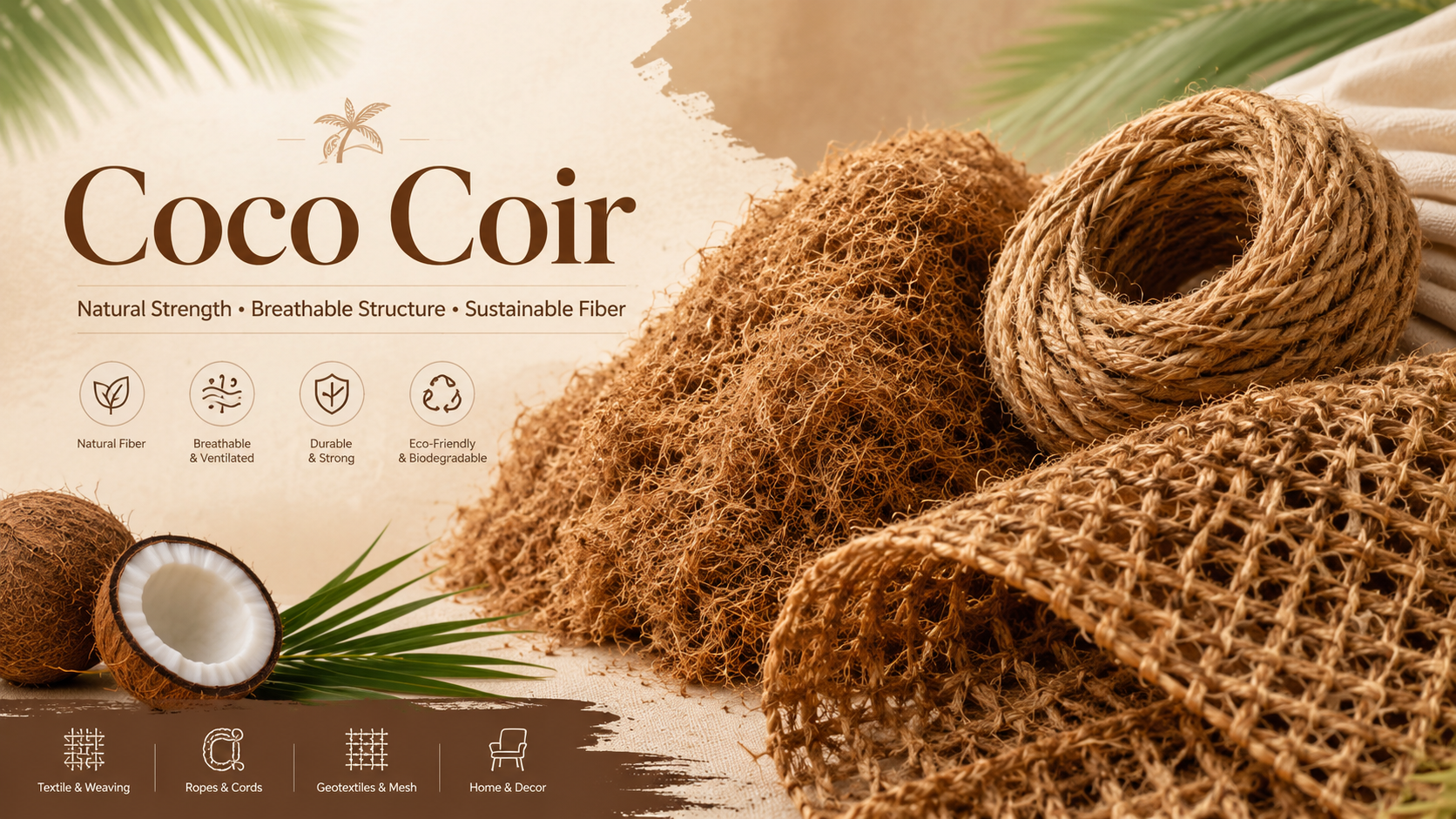
Coco Coir
- Coco coir is a renewable natural fiber extracted from coconut husks. It is widely known for high breathability, strong water retention, resistance to decay, and a stable physical structure.
- Although coir is not a typical apparel fiber, it is highly useful in horticulture, agriculture, pet bedding, brushes, ropes, mattresses, and packaging-related products.
- Commercial value: coir is an eco-friendly alternative to peat-based materials. Its light weight, drainage, air permeability, and sponge-like water holding ability make it especially suitable for growing media, compressed coir blocks, coir chips, and soil-free cultivation applications.
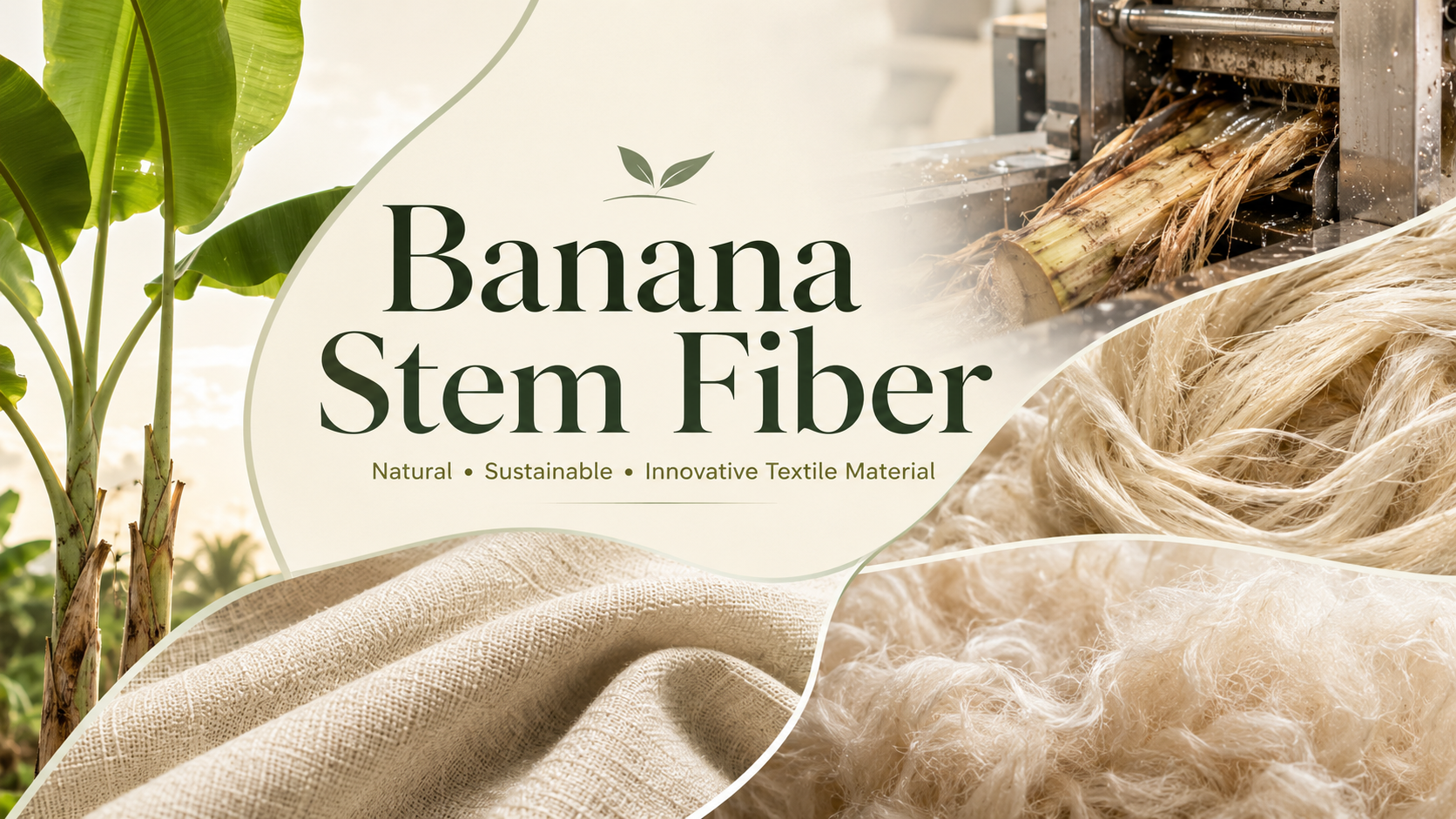
Banana Stem Fiber
- Banana fiber is extracted from the stem of the banana plant, often after fruit harvesting. Instead of becoming agricultural waste, the stem can be processed into a natural textile and craft fiber.
- Its key strengths are light weight, natural luster, high water absorption, reasonable durability, and renewable sourcing. These qualities make banana fiber suitable for ropes, bags, home goods, curtains, towels, craft materials, and selected fashion applications.
- For brands, banana stem fiber supports strong storytelling around agricultural circularity, low-waste materials, and sustainable textile innovation.
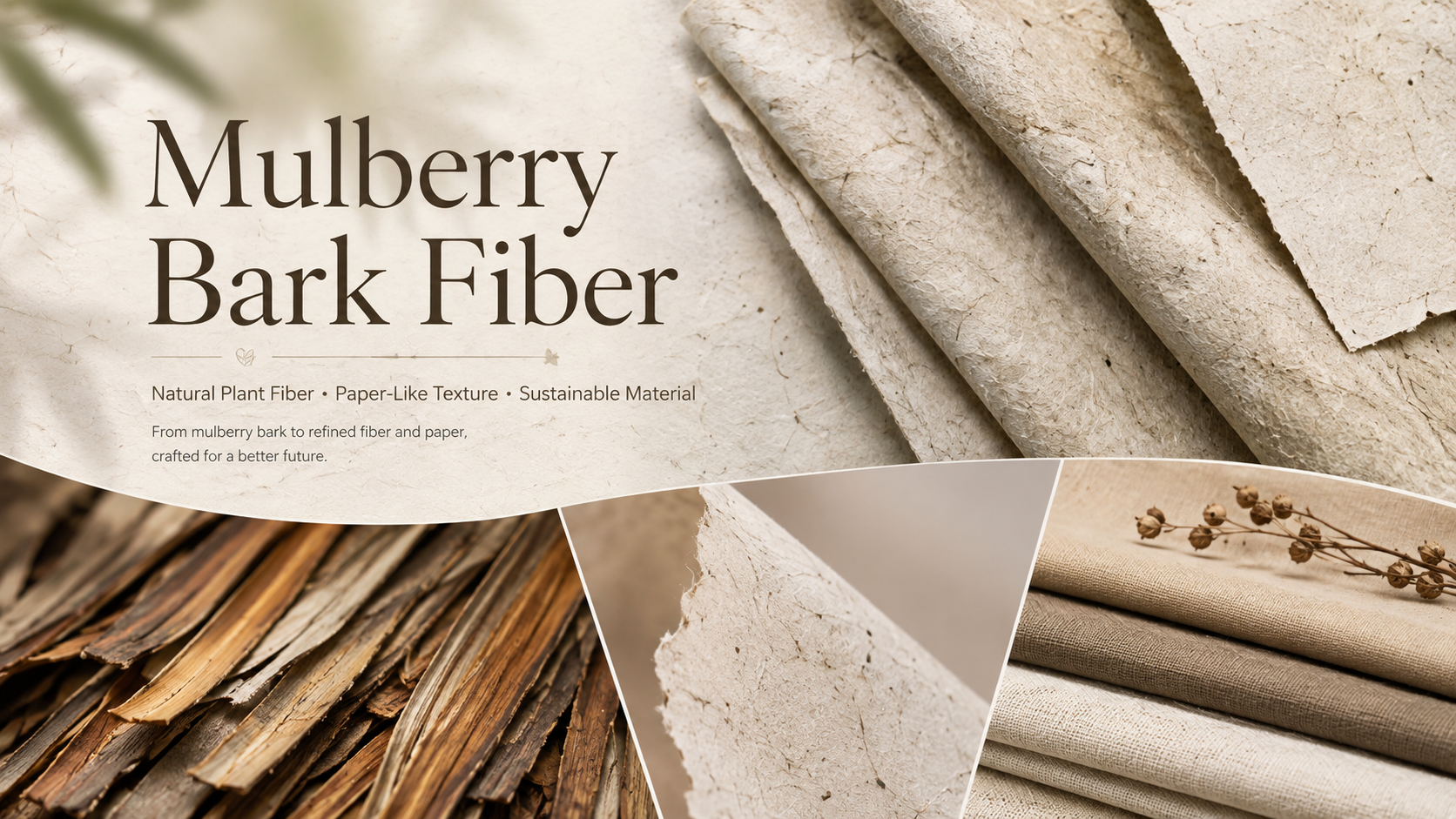
Mulberry Bark Fiber
- Mulberry bark fiber is extracted from the inner bast of Morus alba L. It combines cotton-like softness with the strength, breathability, and natural antibacterial potential often associated with bast fibers.
- Processing usually includes bark removal, softening, washing, beating, boiling, and degumming to obtain a white, flexible fiber.
- Applications: premium handmade mulberry paper, high-end blended fabrics, specialty textiles, medical suture-related materials, and beauty-care ingredients. For textile brands, it is a niche natural material with comfort, function, and cultural craft value.
Animal-Based Fibers
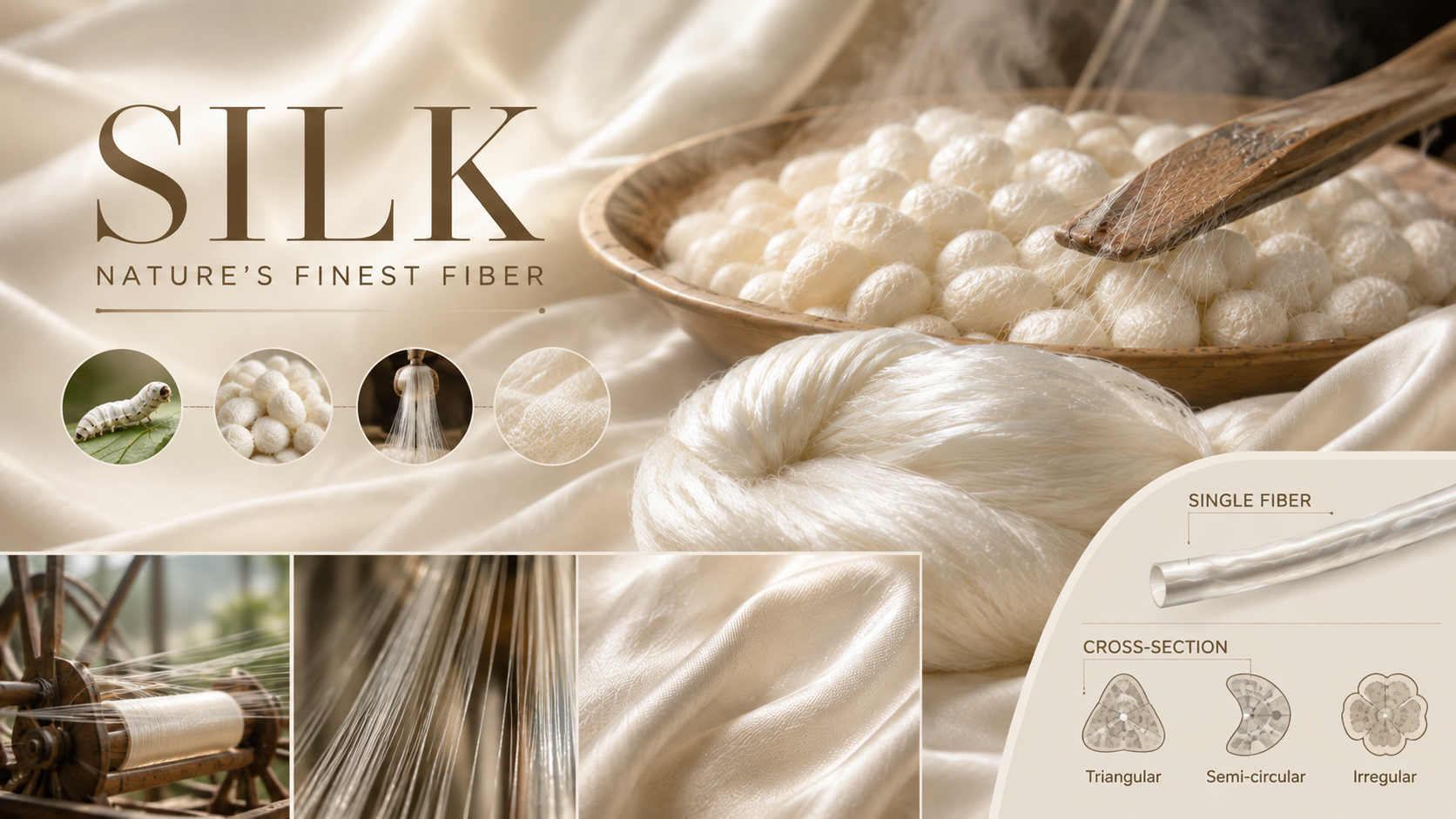
Silk
- Silk is a natural animal protein fiber produced by silkworms. It is also one of the few natural continuous filament fibers; a single cocoon can produce hundreds of meters of fine filament.
- In fabric development, silk is valued for its pearl-like luster, soft hand feel, elegant drape, cool touch, and premium appearance. The prism-like fiber structure reflects light beautifully, giving silk its signature luxury look.
- Manufacturing note: silk has good tensile strength, but it is sensitive to high heat, alkali, chlorine bleach, saltwater, sunlight, and perspiration. Steam pressing and careful wet processing help maintain fabric quality.
Wool
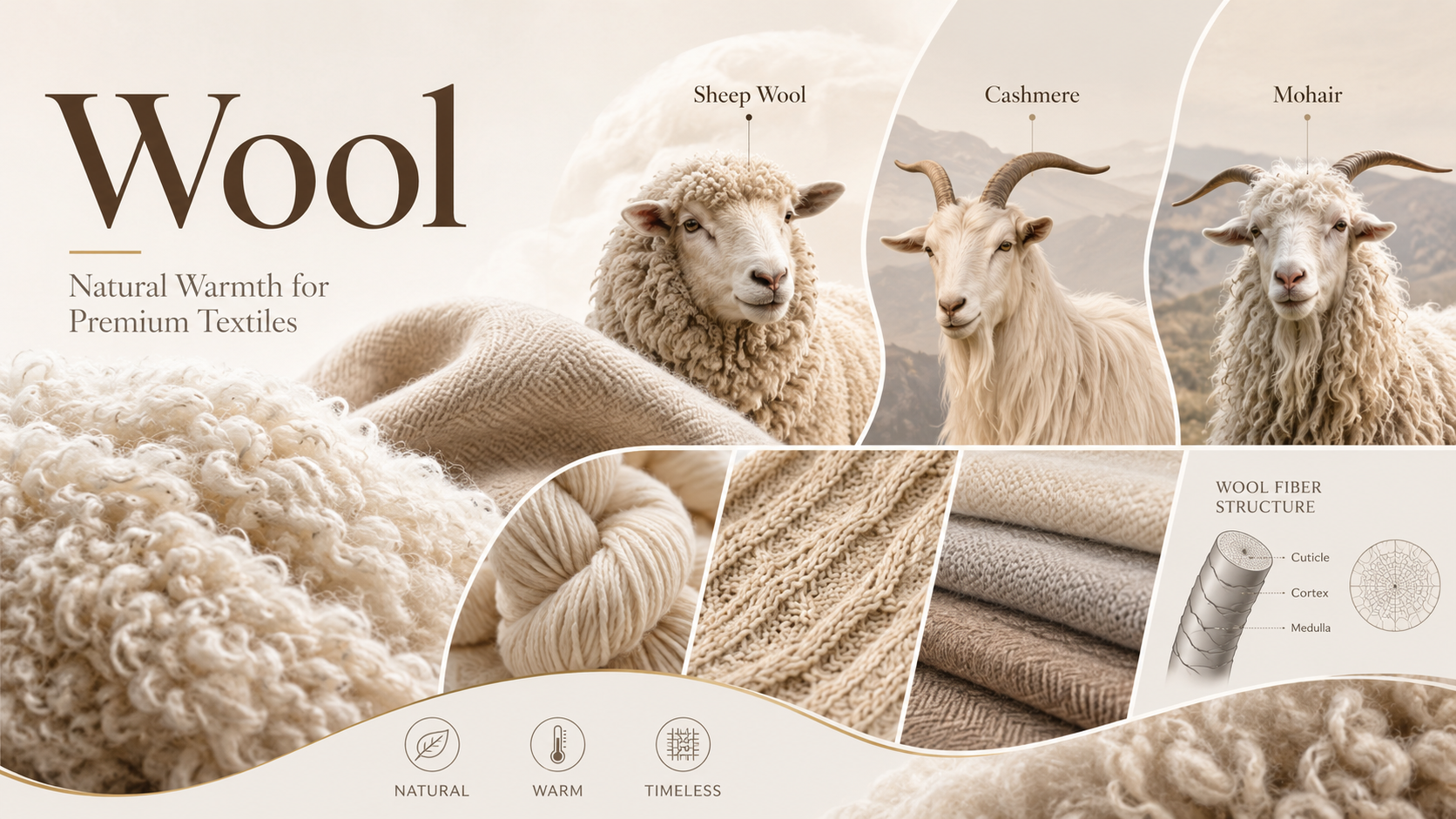
- Wool covers many animal hair fibers, but sheep wool is the most common commercial category. Merino wool is especially valued for fine fibers and a soft hand feel. Specialty animal fibers include cashmere, mohair, alpaca, camel hair, yak down, and other luxury wool materials.
- Wool textiles are naturally elastic, warm, resilient, and comfortable. These qualities make wool ideal for sweaters, coats, suits, blankets, winter accessories, and premium blended fabrics.
- Production care: wool can shrink or felt when rubbed in water because of its scale structure. Anti-shrink finishing, enzyme treatment, chlorination, or resin finishing can improve washability, luster, and product stability.
Mohair
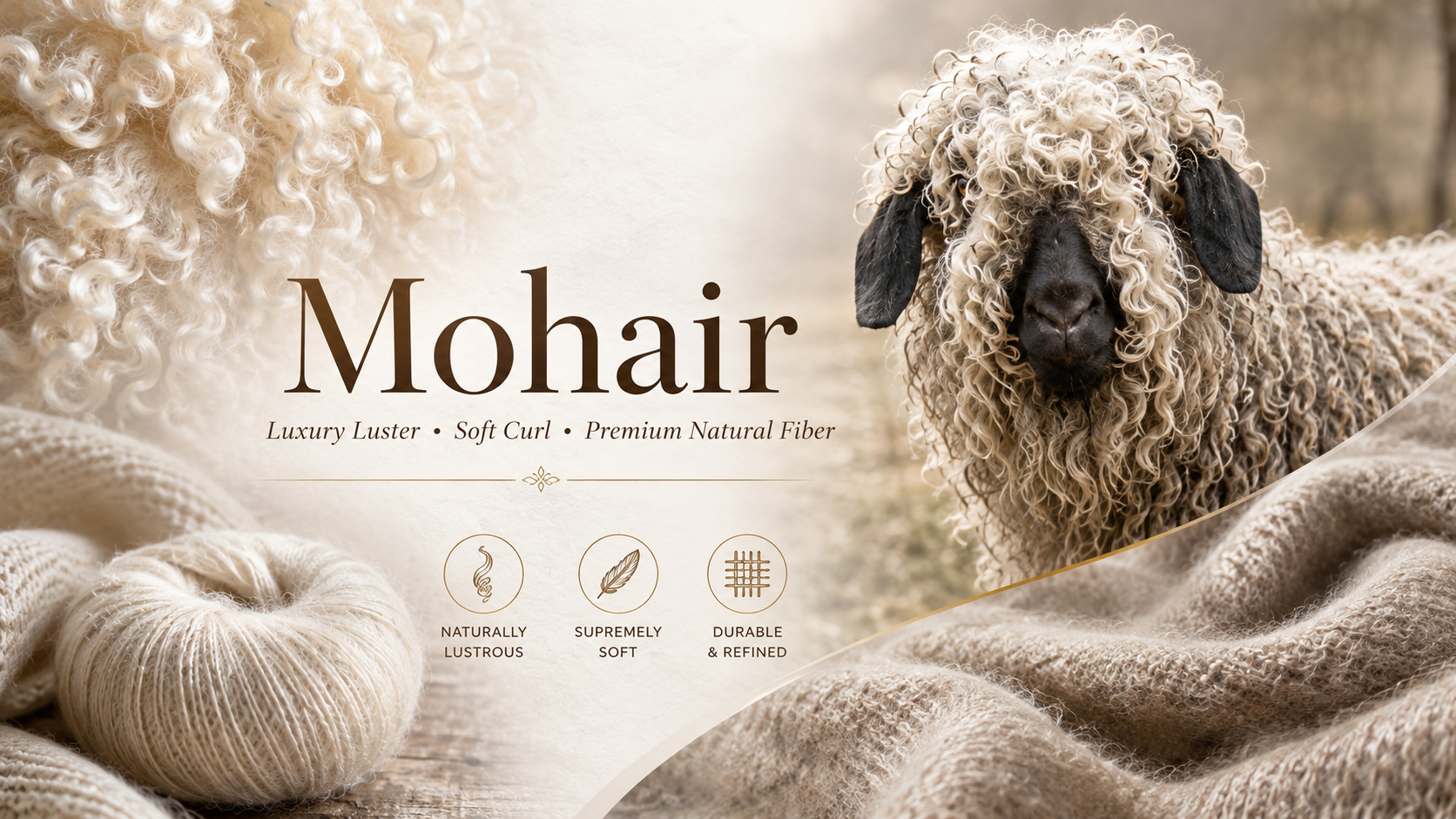
- Mohair is a premium animal fiber from the Angora goat. Often called a diamond-like fiber, it is appreciated for natural shine, light weight, fluffy volume, warmth, and durability.
- Its smooth fiber surface helps reduce felting and pilling, while its strong dye affinity supports vivid colors. Mohair is commonly blended with wool, nylon, or other fibers for high-end sweaters, coats, scarves, and blankets.
- Design note: kid mohair is especially soft and luxurious, while adult mohair may feel slightly firmer. This makes fiber selection important when developing next-to-skin fashion products.
Rabbit Hair
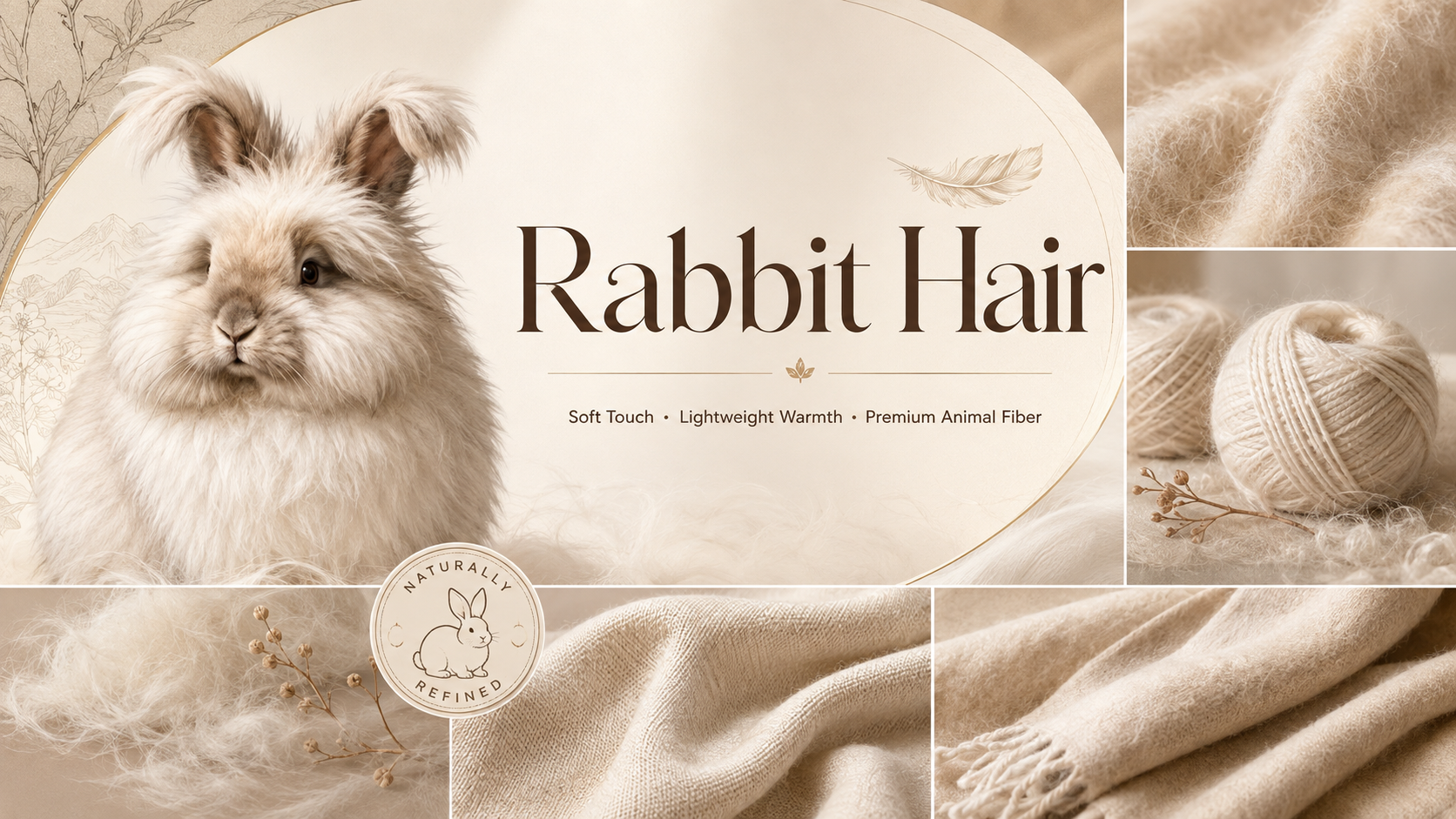
- Textile rabbit hair mainly comes from Angora rabbits and domestic rabbits. Angora rabbit hair is long, fine, light, fluffy, and highly valued in wool spinning.
- The fiber structure includes scales, cortex, and medulla. Rabbit hair is commonly classified into fine down hair, coarse guard hair, and mixed-type hair. Fine down hair is the most valuable because it is soft, delicate, and warm.
- Commercial use: rabbit hair is often blended with wool or other fibers to improve loft, softness, warmth, and a luxury hand feel. Its lower fiber cohesion means yarn engineering and blending are important for stable fabric performance.
Mineral Fiber
Asbestos
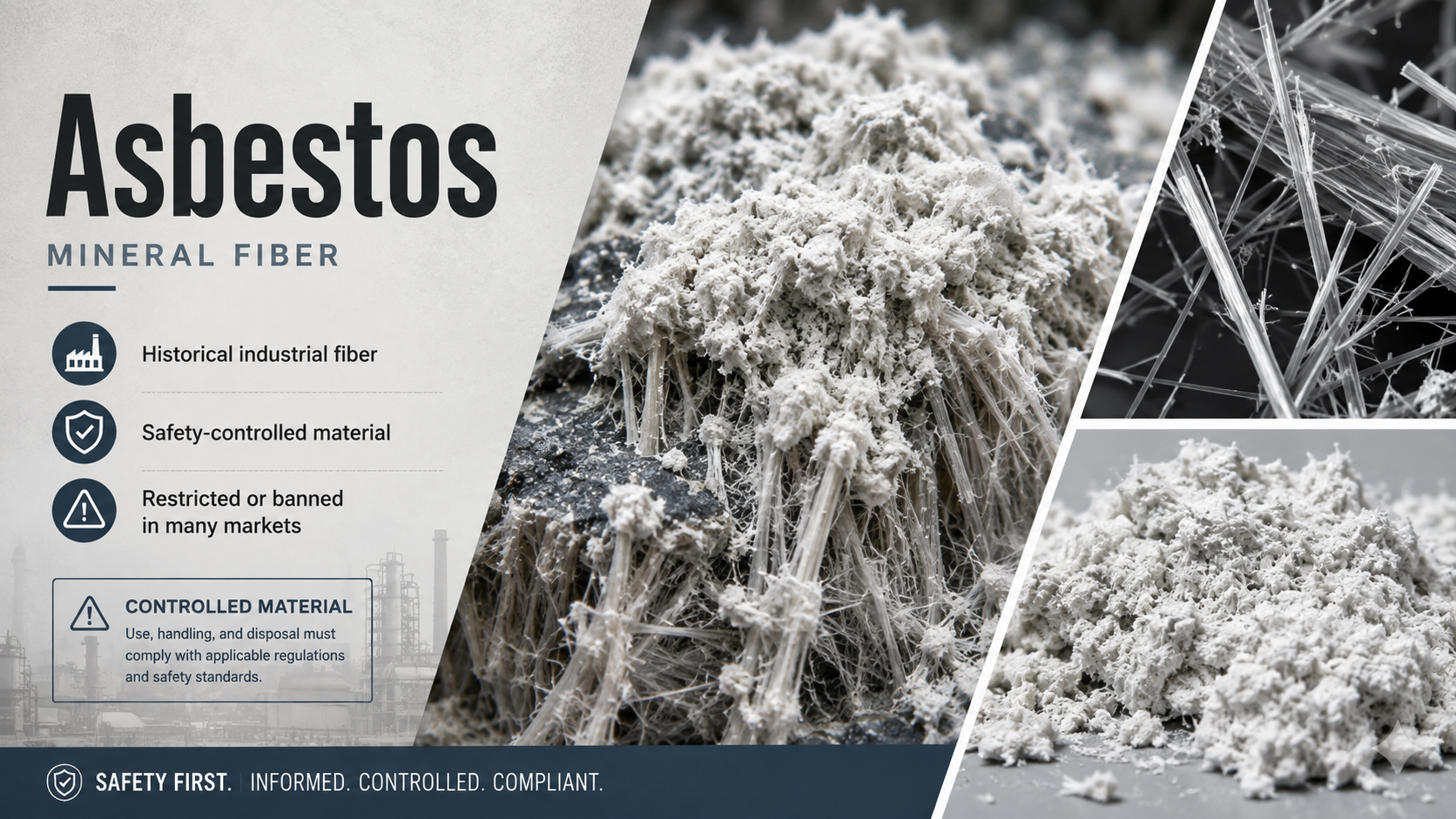
- Asbestos is a naturally fibrous silicate mineral once used for heat insulation, fire resistance, chemical resistance, and high tensile strength in industrial and building products.
- However, asbestos fibers are extremely fine and can become airborne. When inhaled, they may accumulate in the lungs and cause serious diseases such as asbestosis, lung cancer, and mesothelioma after long latency periods.
- Modern material selection note: asbestos is now banned or heavily restricted in many countries. For textile and industrial development, safer heat-resistant alternatives should be selected for insulation, filtration, and protective applications.