Eco-friendly Yarn

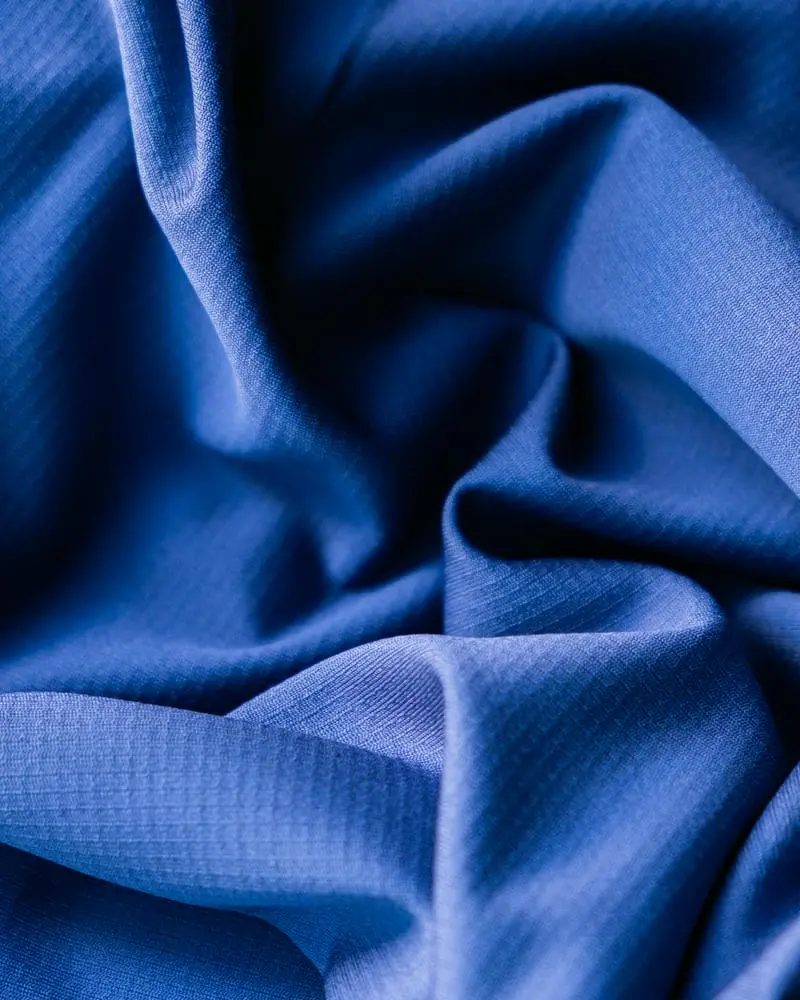
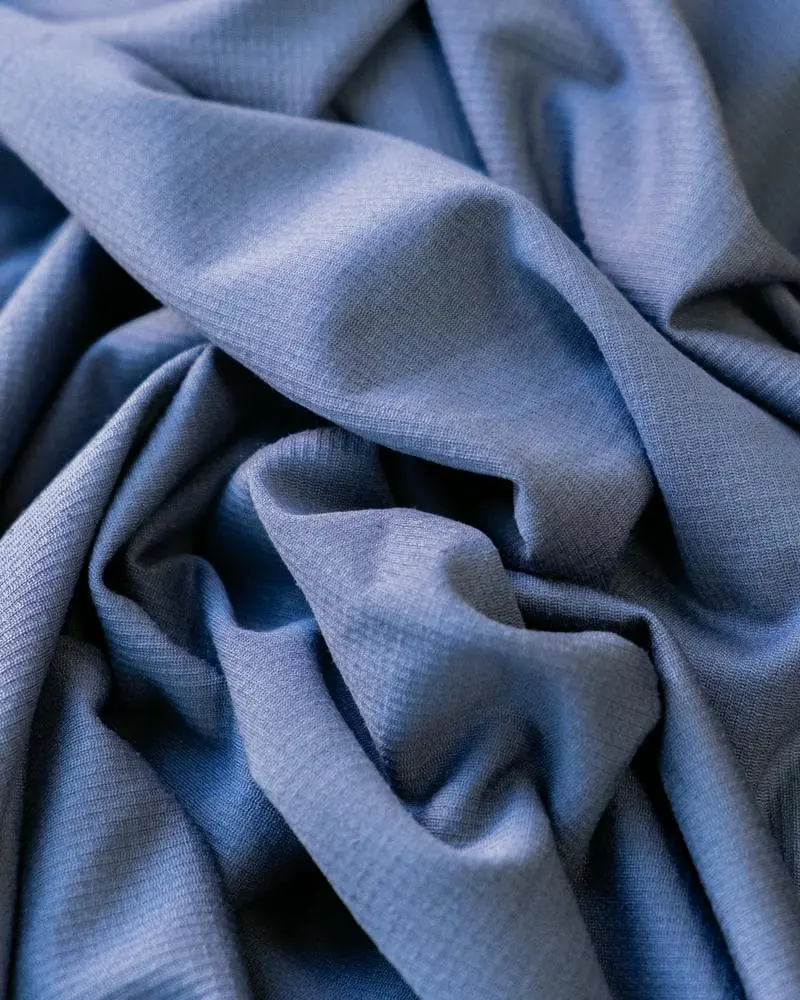
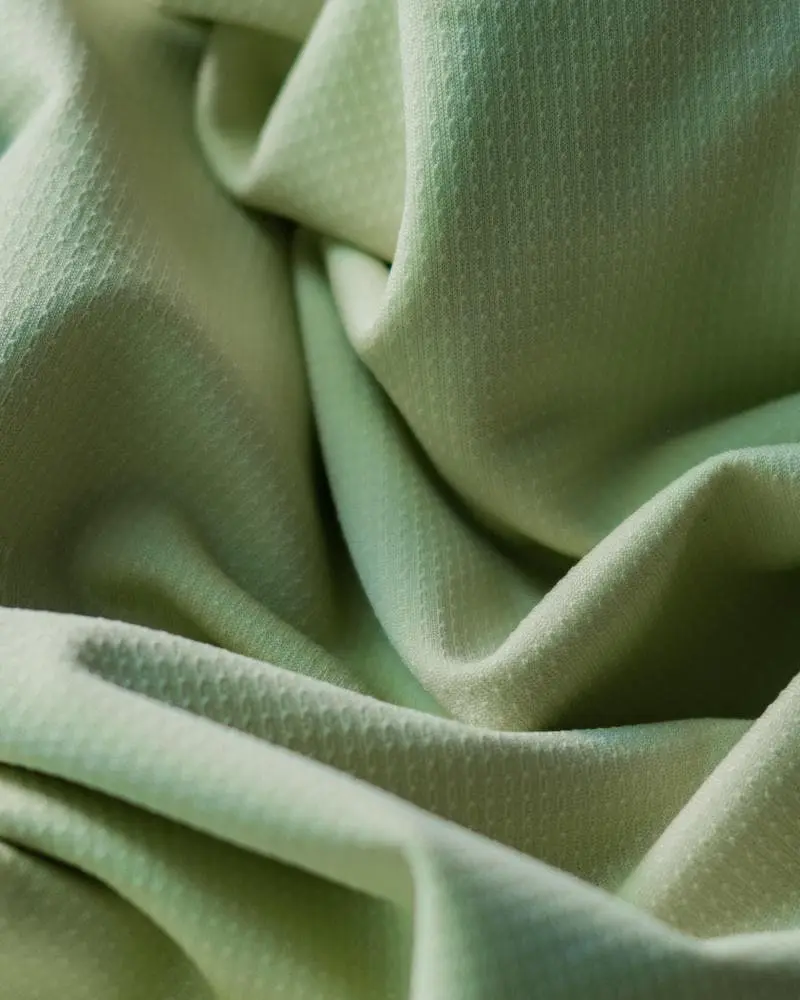
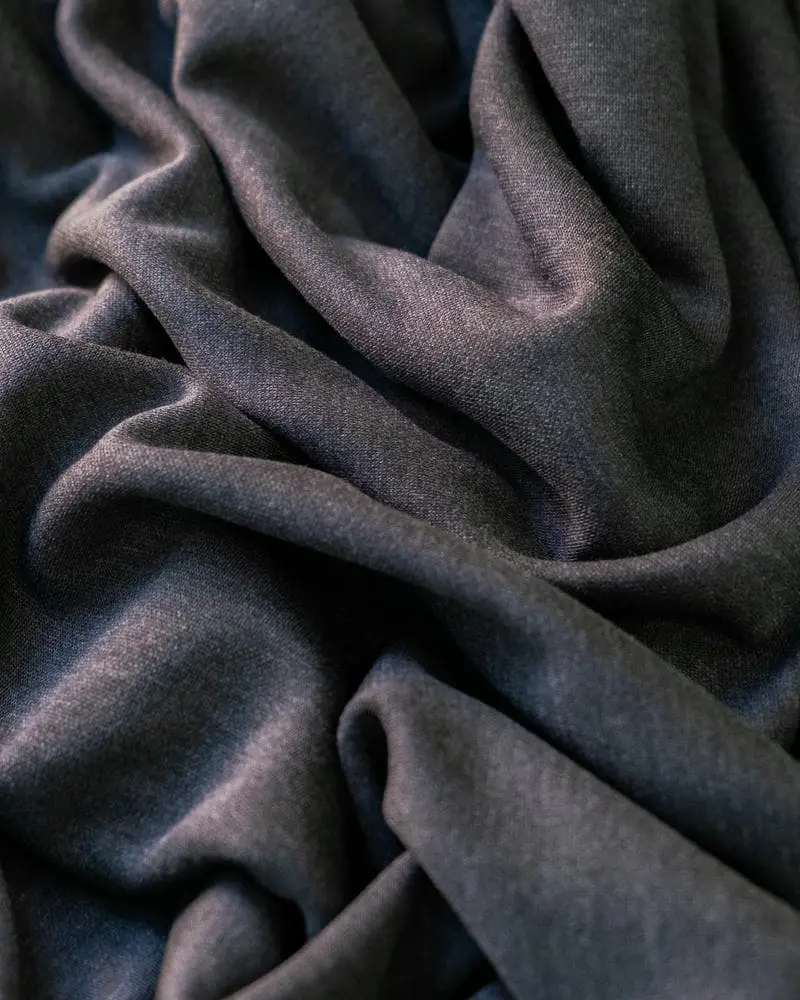
Recycled Yarn, PLA (Polylactic Acid), and PHBV (Polyhydroxybutyrate-co-valerate). These fibers offer distinct environmental advantages, from closed-loop recycling to plant-based biodegradability, while delivering excellent comfort and functional performance. Designed for brands aiming to reduce environmental impact without compromising on quality, these materials represent a new era of responsible textile innovation.

Eco-friendly Yarn

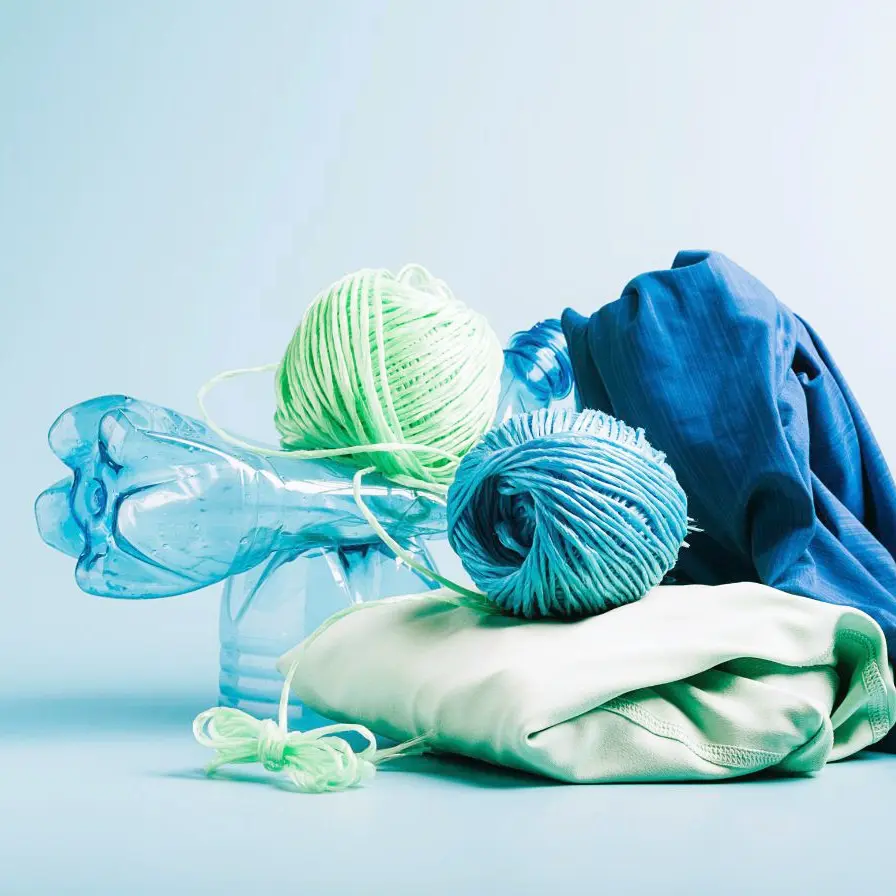
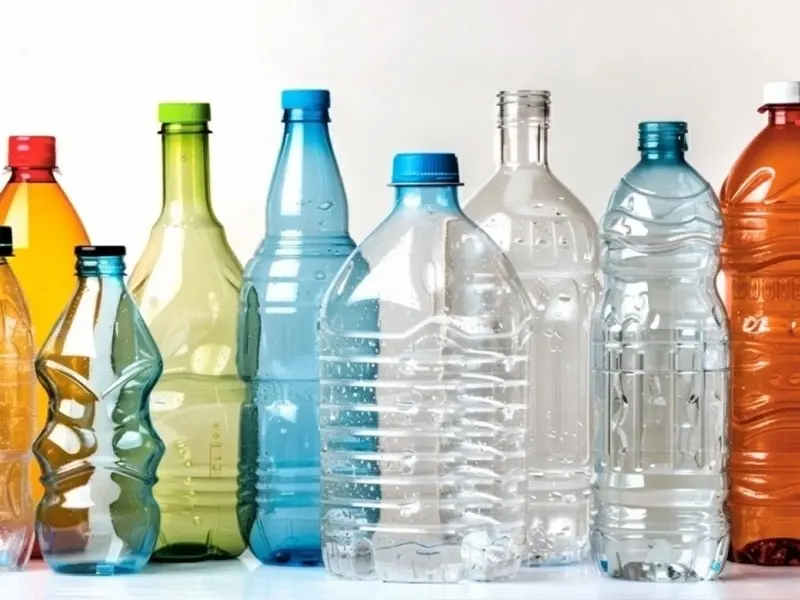
1. Recycled yarn is an eco-friendly textile material made by reprocessing pre-consumer or post-consumer waste—such as used garments, industrial fabric scraps, or discarded plastic bottles—into usable yarn. This process reduces the need for virgin raw materials and supports a more sustainable, circular textile economy.

2. PLA (Polylactic Acid) is a biodegradable and bio-based polymer derived from renewable resources such as corn starch, sugarcane, and cassava. It is widely recognized as an eco-friendly alternative to petroleum-based plastics and is used in various applications, including textiles, packaging, and 3D printing.


3. PHBV is a biopolymer belonging to the PHA (Polyhydroxyalkanoates) family, produced through bacterial fermentation of plant-based sugars and oils. It is known for its high biodegradability and excellent mechanical properties, making it suitable for durable applications.

How does it work?

– Collection: Waste materials such as plastic bottles (PET), cotton scraps, or used garments are collected.
– Sorting & Cleaning: Materials are sorted by type and color, then thoroughly cleaned.

– Shredding or Melting:
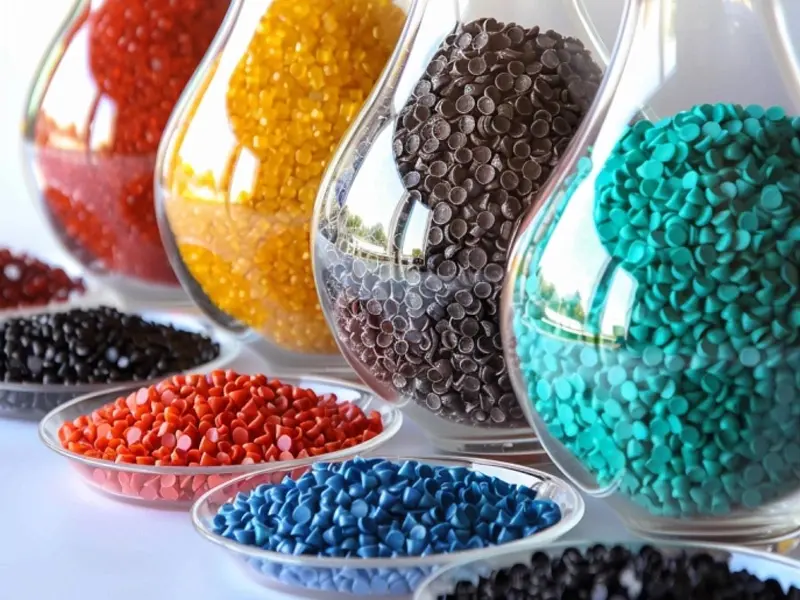
For polyester – Plastics are melted and extruded into new fibers.
For cotton – Fabrics are shredded into fiber form.

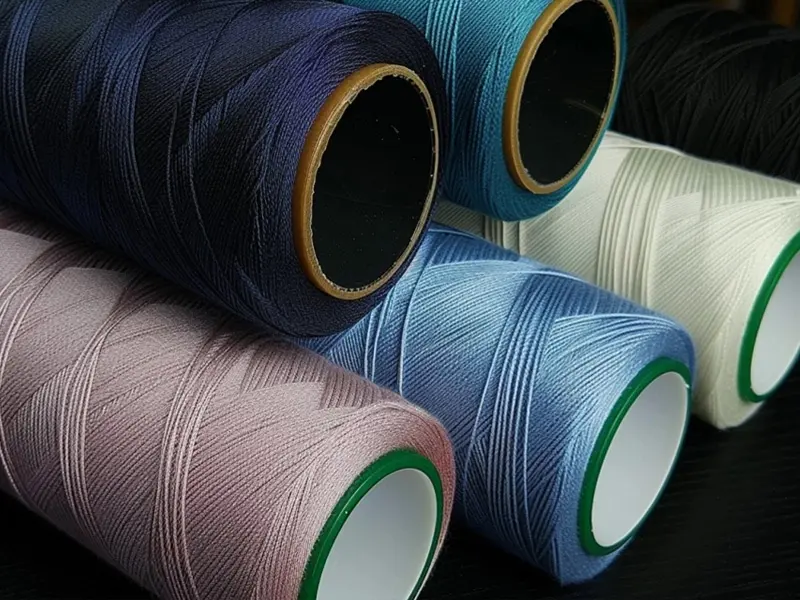
– Spinning: The fibers are spun into yarn using traditional spinning techniques.
– Reweaving or Knitting: The recycled yarn is then used to produce new fabric.

PLA is produced through a fermentation process where sugars from plants are converted into lactic acid. This lactic acid is then polymerized to form PLA resin, which can be processed into fibers, films, or molded products. When disposed of in industrial composting conditions, PLA can fully decompose into carbon dioxide, water, and organic matter within 6–12 months, significantly reducing environmental impact.

PHBV is synthesized by bacteria as an energy storage material during fermentation. After extraction and processing, it forms a high-strength polymer that can be spun into fibers or molded into products. PHBV naturally degrades when exposed to soil, marine environments, or composting conditions, breaking down completely without toxic residue.

GRS
HIGG
oeko-tex

What are the advantages?

Environmental Impact Reduction

Minimizes landfill waste and lowers water, energy, and carbon usage compared to virgin materials.

Resource Conservation

Reduces dependence on petroleum-based fibers and intensive cotton farming.

Cost Efficiency

Over time, recycled materials can reduce material sourcing costs, especially at scale.

Sustainability Market Fit

Aligns with global sustainability trends and consumer demand for eco-conscious products.

Multiple Material Options

Available in a range of fiber types including polyester, cotton, and blends, with dye-free options from pre-colored waste.

Fabric Selection

For more fabric inquiries or sourcing needs, please don’t hesitate to reach out to us. We’d be happy to assist you.

Fabric Selection

Biodegradable: Fully decomposes under industrial composting conditions.
Eco-friendly: Made from renewable plant-based resources.
Low carbon footprint: Emits fewer greenhouse gases during production compared to traditional plastics.
Transparency and breathability: Ideal for food packaging and textiles.
Versatile applications: Suitable for fibers, films, and molded items.

Advantages of PHBV

Fully biodegradable: Decomposes completely in soil and marine environments.
High heat resistance: Can withstand temperatures up to 100°C, surpassing PLA.
Mechanical durability: High tensile strength and toughness.
Natural origin: Produced from renewable agricultural waste or plant-based oils.
Non-toxic degradation: Leaves no harmful residues upon decomposition.

Application Scenarios

Sportswear

Slogan for Performance Fabrics using Recycled PET

Fashion

As part of responsible material sourcing commitments

Lingerie & Underwear

Soft on the skin, lighter on the planet

Outdoor Gear

Built from nature, built to last
 

Home Textile

Eco-textiles that renew everyday living

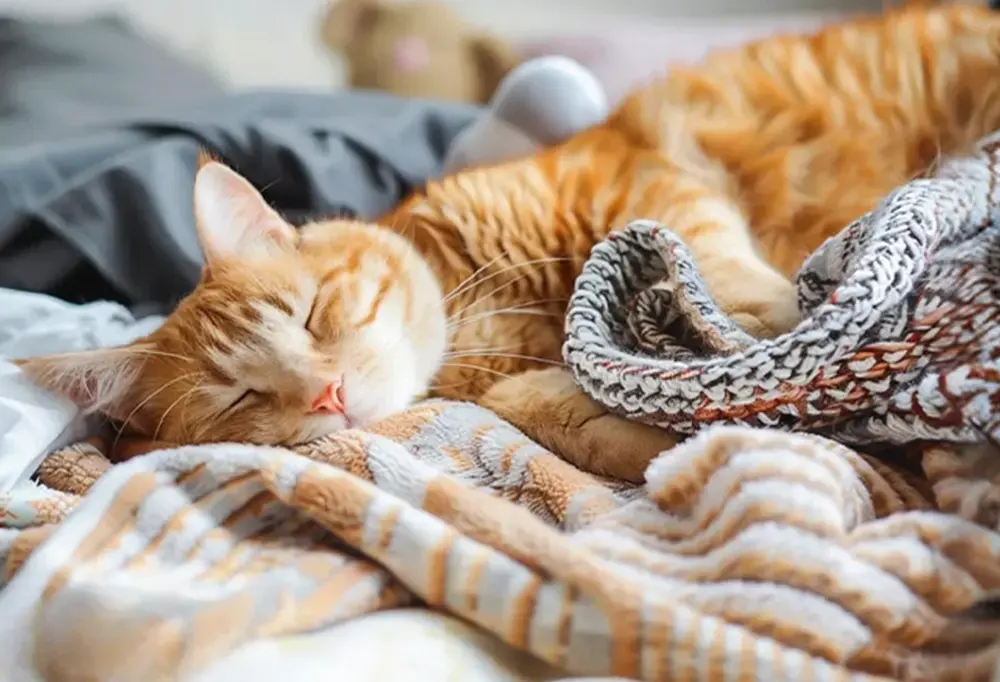
Pet

Sustainable comfort for furry companions

Scroll to Top