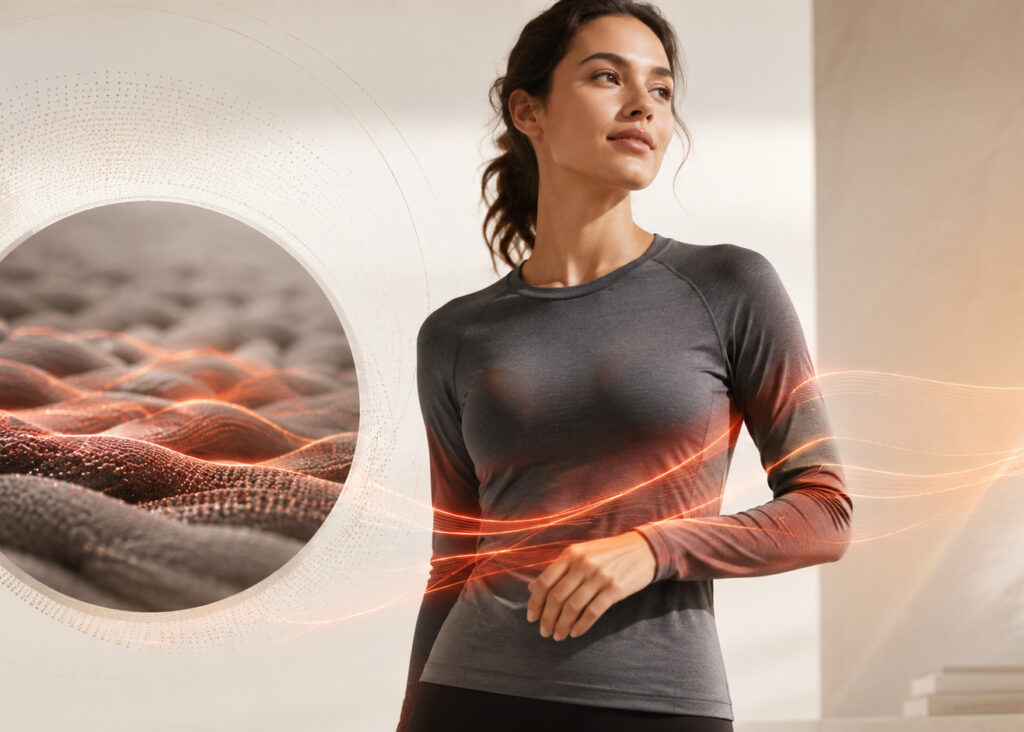
A guide to nine application areas, their material requirements and considerations for textile sourcing and development.

Understanding Technical Textiles
Technical textiles are selected for the functions they perform in a product or system. Intended use, operating conditions and performance requirements guide fiber selection, fabric construction and finishing.
Technical Textile Applications
Medical and healthcare textiles
Transportation textiles
Industrial textiles
Construction textiles
Agriculture, fisheries, livestock and mining textiles
Packaging textiles
Geotextiles
Sports textiles
Protective clothing textiles
Medical Textiles

Applications
Medical textiles support everyday hygiene and specialized healthcare. Gauze, surgical gowns, masks and diapers all use textile structures to manage practical needs, while sutures and vascular grafts serve more demanding clinical applications.
Materials and Selection Considerations
For manufacturers, the starting point is the intended use. Disposable hygiene and barrier products often use nonwoven fabrics because they combine efficient production with adaptable material properties. Reusable hospital linens require durability through repeated laundering, with hygiene performance suited to the care setting.
Implantable textiles and blood-contacting materials demand a different level of development. Fiber selection, construction and finishing must work together with product-specific safety evaluation. A clear end-use specification helps buyers and textile suppliers select materials that suit the application.
Transportation Textiles

Applications
Transportation textiles help vehicles perform reliably on roads, at sea and in the air. Automotive textiles offer familiar examples: seat belts, airbags, upholstery and carpets all depend on fabric engineering, while textile reinforcement also supports tires, belts and hoses.
Materials and Selection Considerations
Each component has a different job. Interior fabrics must balance comfort with wear resistance and appearance. Safety components require carefully controlled material properties and construction. Filters and reinforcement fabrics address demands within the vehicle’s operating systems.
Rail, marine and aerospace applications broaden the range of requirements. For textile manufacturers, successful development starts with where the material will sit and how it will function. Defining loads, exposure conditions and the required service life helps connect fiber selection and fabric structure with the customer’s performance targets.
Industrial Textiles
Applications
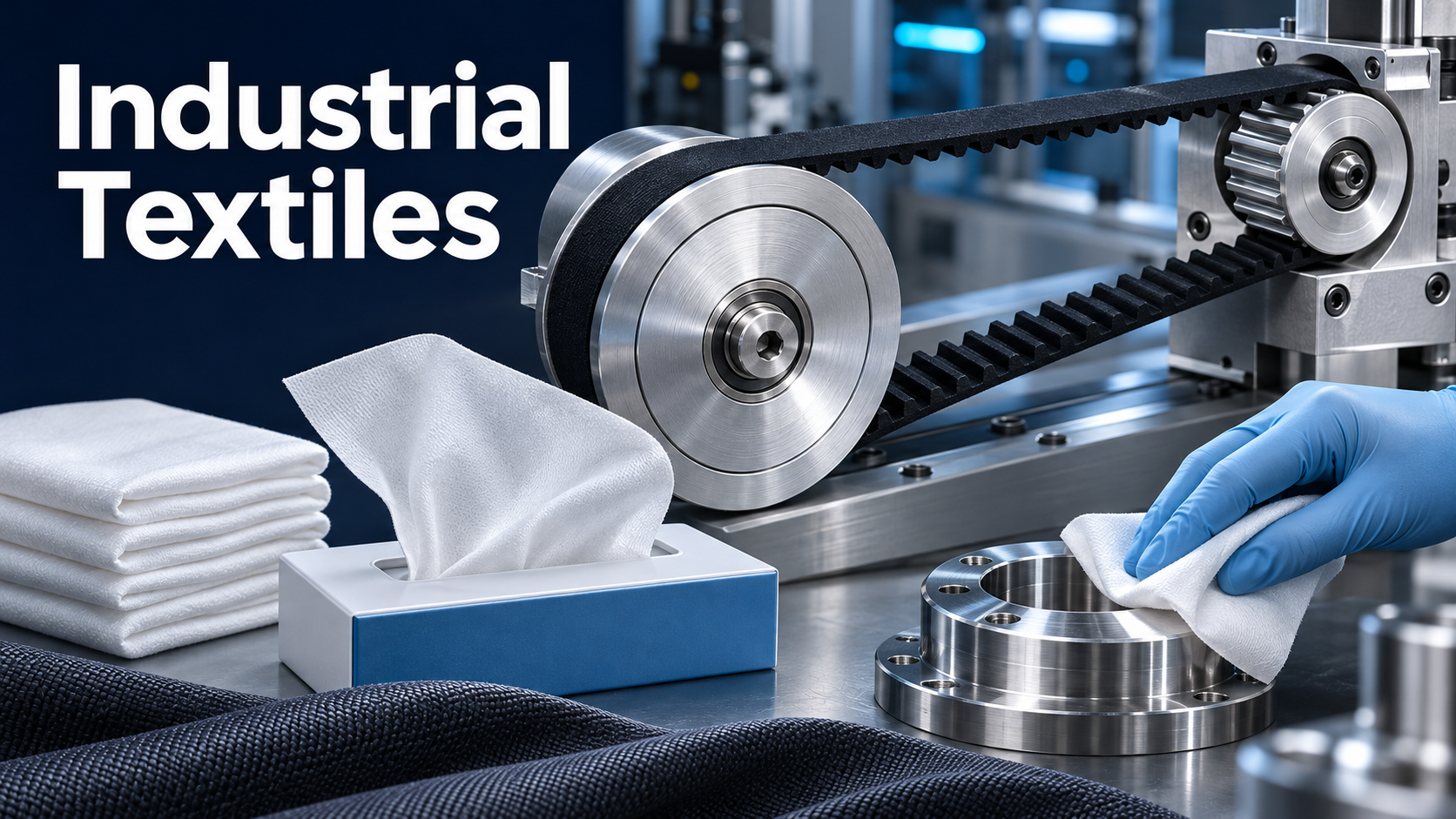
Industrial textiles often work behind the scenes. Conveyor belts move materials through a factory, reinforcement fabrics strengthen hoses and containers, and filter media help separate particles from air or liquids. Their value comes from the task they perform within a production process.
Materials and Selection Considerations
Textile engineering offers a flexible way to combine strength with controlled stretch, abrasion resistance or dimensional stability. Depending on the application, manufacturers may also develop absorbent structures, conductive materials, antistatic fabrics or flame-resistant constructions.
There is no single specification for this broad category. A power transmission belt and an electronic cleanroom wipe face very different conditions. The most productive sourcing discussions therefore begin with the operating environment, the substances involved and the expected duty cycle. These details guide the choice of fibers, construction and finishing.
Construction Textiles

Applications
Construction textiles make lightweight architectural forms possible. Tents and awnings are familiar examples of fabric membrane structures, while larger tensile membrane roofs show how engineered textiles can serve demanding building applications.
Materials and Selection Considerations
A typical architectural membrane combines a woven base fabric, often polyester or glass fiber, with a protective coating. The reinforcement carries load, while the coating helps the material withstand weather exposure. Actual durability depends on the complete membrane system, its environment and maintenance.
Textiles also contribute inside building structures. Waterproofing layers help manage moisture, and reinforcing fibers can support selected concrete applications. For manufacturers and project partners, the key is to define the textile’s role early. Structural demands, installation details and environmental exposure all influence the material specification and the performance of the finished system.
Agriculture and Resource Textiles
Applications
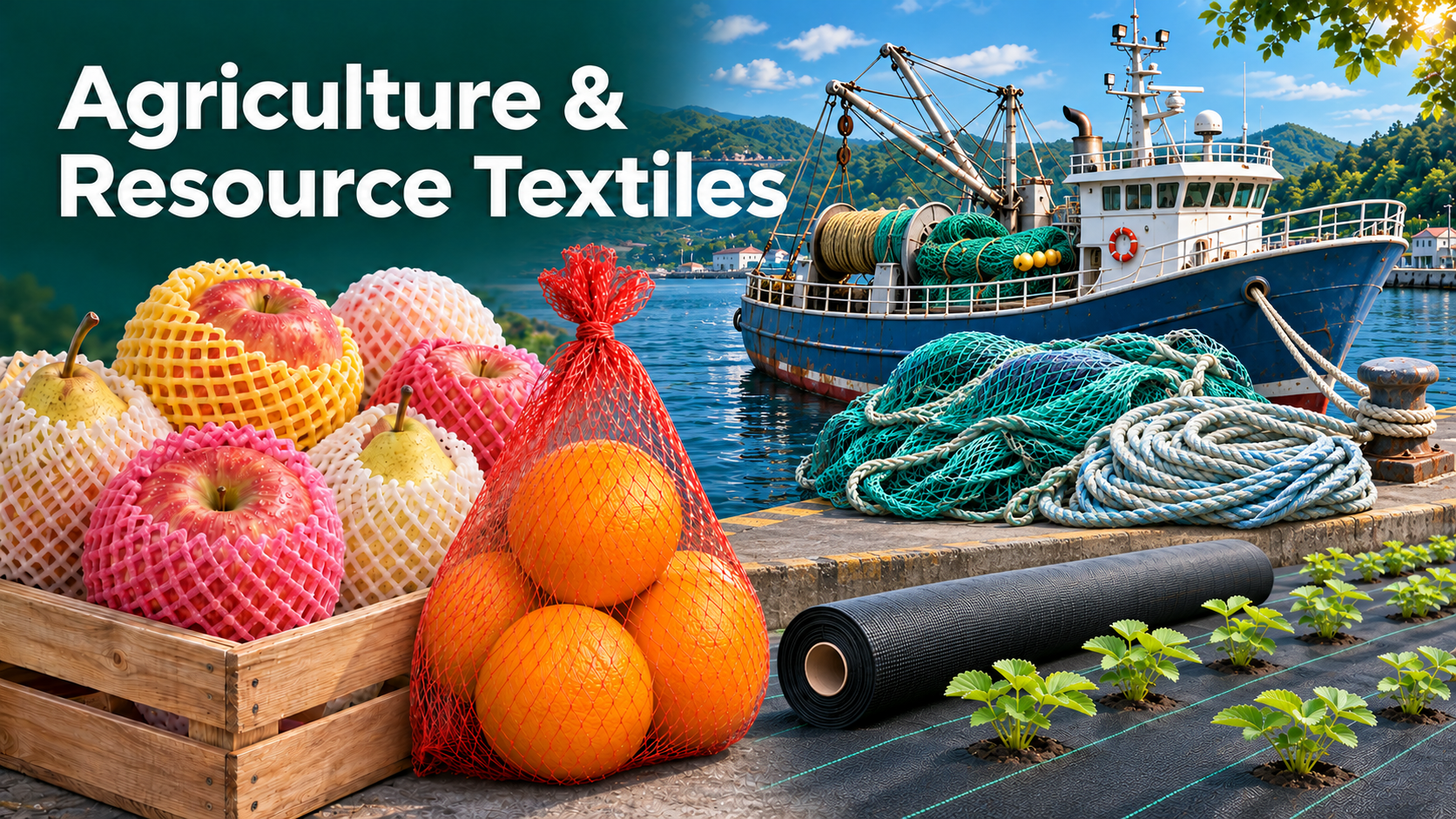
Agricultural and resource-sector textiles support crop protection, aquaculture and outdoor work. Shade fabrics, crop covers and irrigation materials serve farms, while livestock and mining applications add demands for equipment and protective workwear.
Materials and Selection Considerations
Each use calls for a different material. Coated fabrics, mesh and nonwovens offer options for protection and handling. Selected planting products may use biodegradable fibers, but breakdown depends on the material and disposal conditions.
Fishing and aquaculture nets need dependable strength and resistance to deterioration in water. Protective garments may require cut resistance, weather protection or visibility. For manufacturers, exposure duration and mechanical loads guide material selection. Buyers should also define handling needs and the intended end-of-life route before comparing alternatives.
Packaging Textiles
Applications
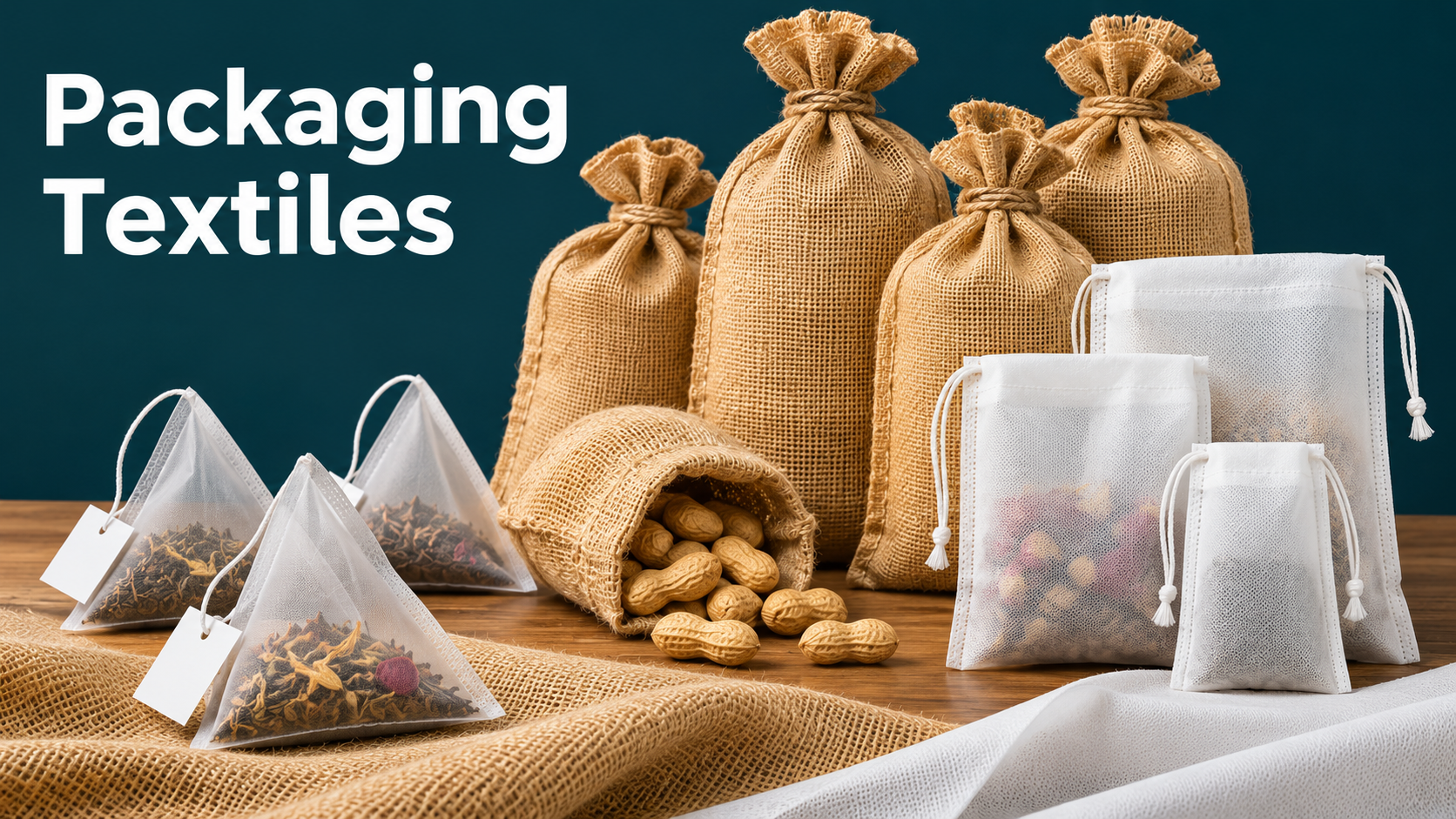
Packaging textiles combine protection with practical material properties. Fabric wraps and ribbons add texture to presentation, while woven sacks help contain bulk products such as grain. Construction depends on the load and handling conditions.
Materials and Selection Considerations
Breathability matters when the contents need air exchange. Selected textile sacks and nonwovens combine permeability with handling strength. Tea bags use porous filter materials that let water circulate while retaining the leaves. Suitability for food contact requires evaluation for the specific product.
Specialized packaging addresses other needs. Dust covers protect equipment, while suitably designed antistatic fabrics help manage electrostatic risks around sensitive products. For textile manufacturers, the contents, pore structure and service environment provide the starting point for a useful packaging solution.
Geotextiles
Applications
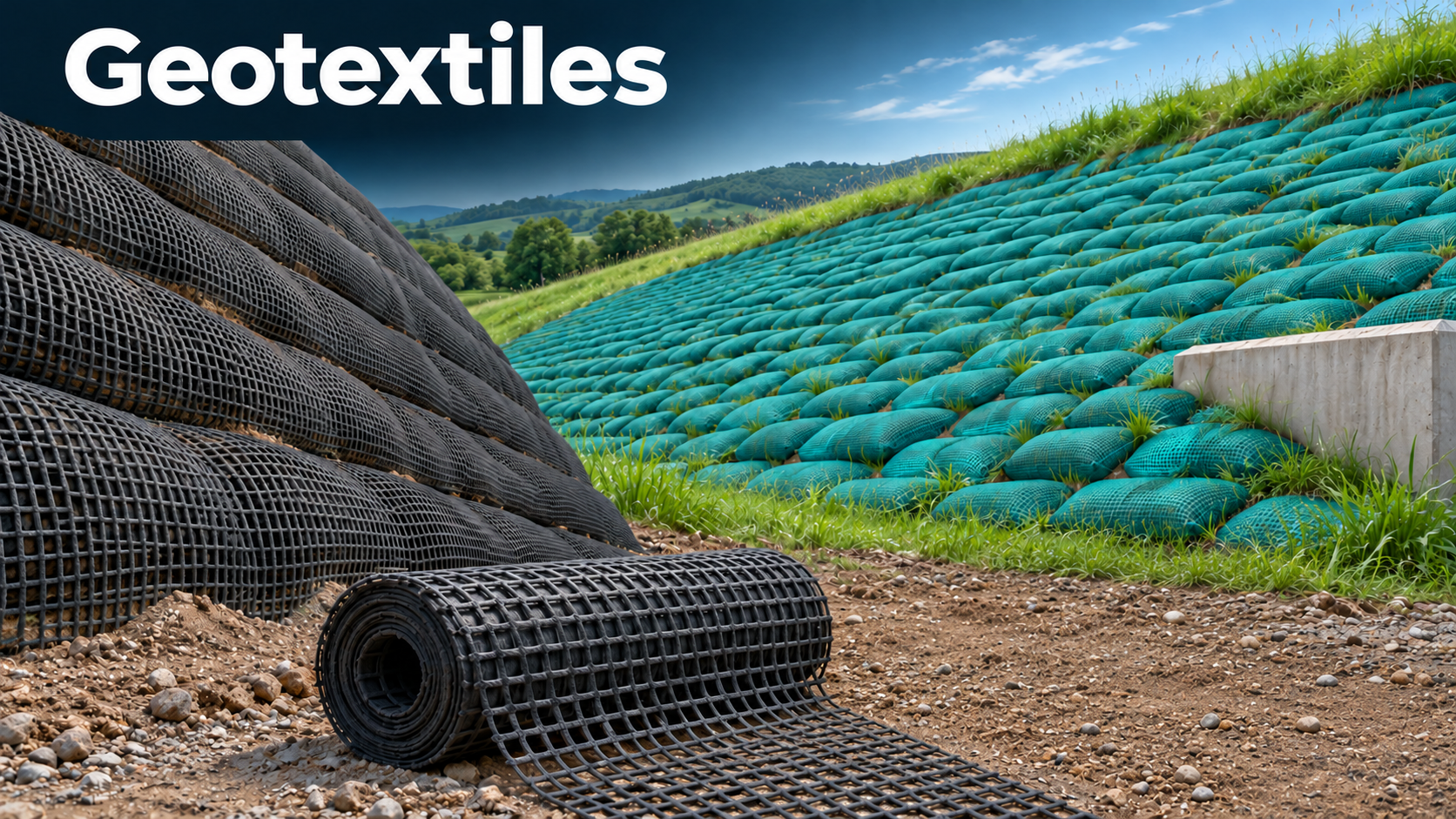
Geotextiles do essential work beneath roads, beside drainage systems and within civil engineering projects. Although they often disappear from view after installation, they help manage soil and water through functions such as separation, filtration and reinforcement.
Materials and Selection Considerations
Polypropylene and polyester are common material choices. Woven and nonwoven structures offer different combinations of tensile performance and water permeability. The correct specification depends on soil conditions, installation stresses and the surrounding chemical environment.
Geogrids are related reinforcement products with an open grid structure. They interact with soil to support applications such as reinforced slopes and retaining structures. Suitable systems can also accommodate vegetation.
For textile manufacturers and engineering buyers, material strength alone tells only part of the story. Hydraulic behavior, durability and compatibility with the overall ground design determine whether a product suits the project.
Sports Textiles

Applications
Sports textiles help people move comfortably while meeting the demands of an activity. Hiking apparel may need weather protection and insulation, while diving suits face a different environment. Material selection follows the conditions of use.
Materials and Selection Considerations
Abrasion resistance matters in cycling, motorsport and protective accessories. Fencing equipment requires specialized resistance to puncture. Garment construction must work with the fabric to address the actual exposure. Performance apparel also uses textile engineering to manage aerodynamic or hydrodynamic behavior.
Textiles support equipment as well. Parachutes and sails depend on carefully controlled fabrics. Reinforced fiber composites help create lightweight rackets and bicycle components, while ropes and sports nets add further applications. For manufacturers, a clear brief connects the athlete’s needs with the strength, flexibility and other properties required in the finished product.
Protective Clothing Textiles
Applications
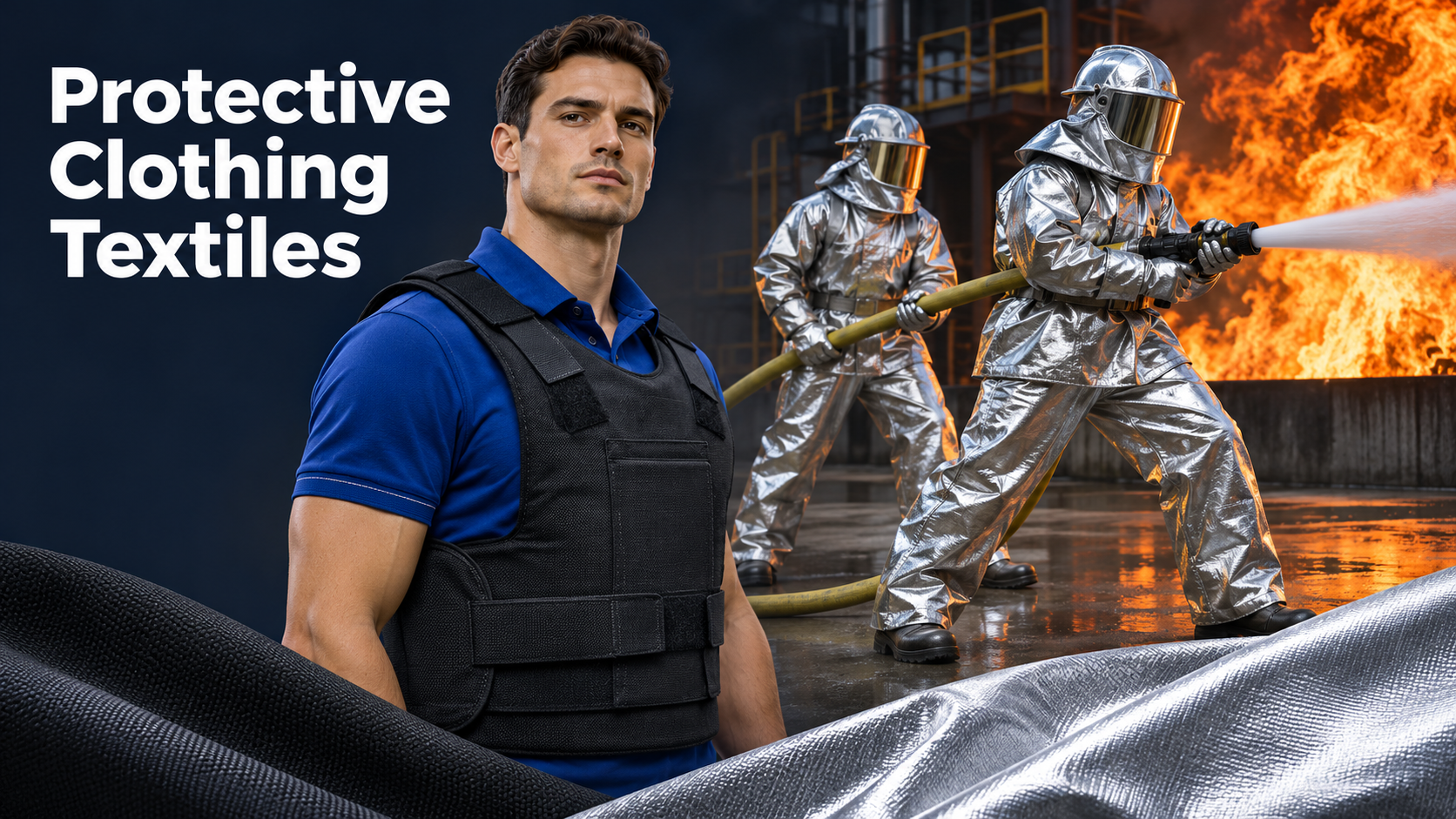
Protective clothing textiles address hazards that ordinary apparel cannot adequately manage. Firefighter garments need resistance to flame and heat, while ballistic protection uses engineered material systems to reduce the risk from specified threats.
Materials and Selection Considerations
Chemical protective clothing requires barrier performance suited to the substance and exposure conditions. Cleanroom garments serve a different purpose: they help control contamination by limiting particle release. Spacesuits extend textile engineering into an especially demanding operating environment.
For textile manufacturers, protection depends on the complete system. Fiber properties, fabric structure and garment construction all affect performance, alongside how people use and maintain the product. Buyers should define the hazard and required protection before selecting materials, then evaluate the finished garment for its intended use.