
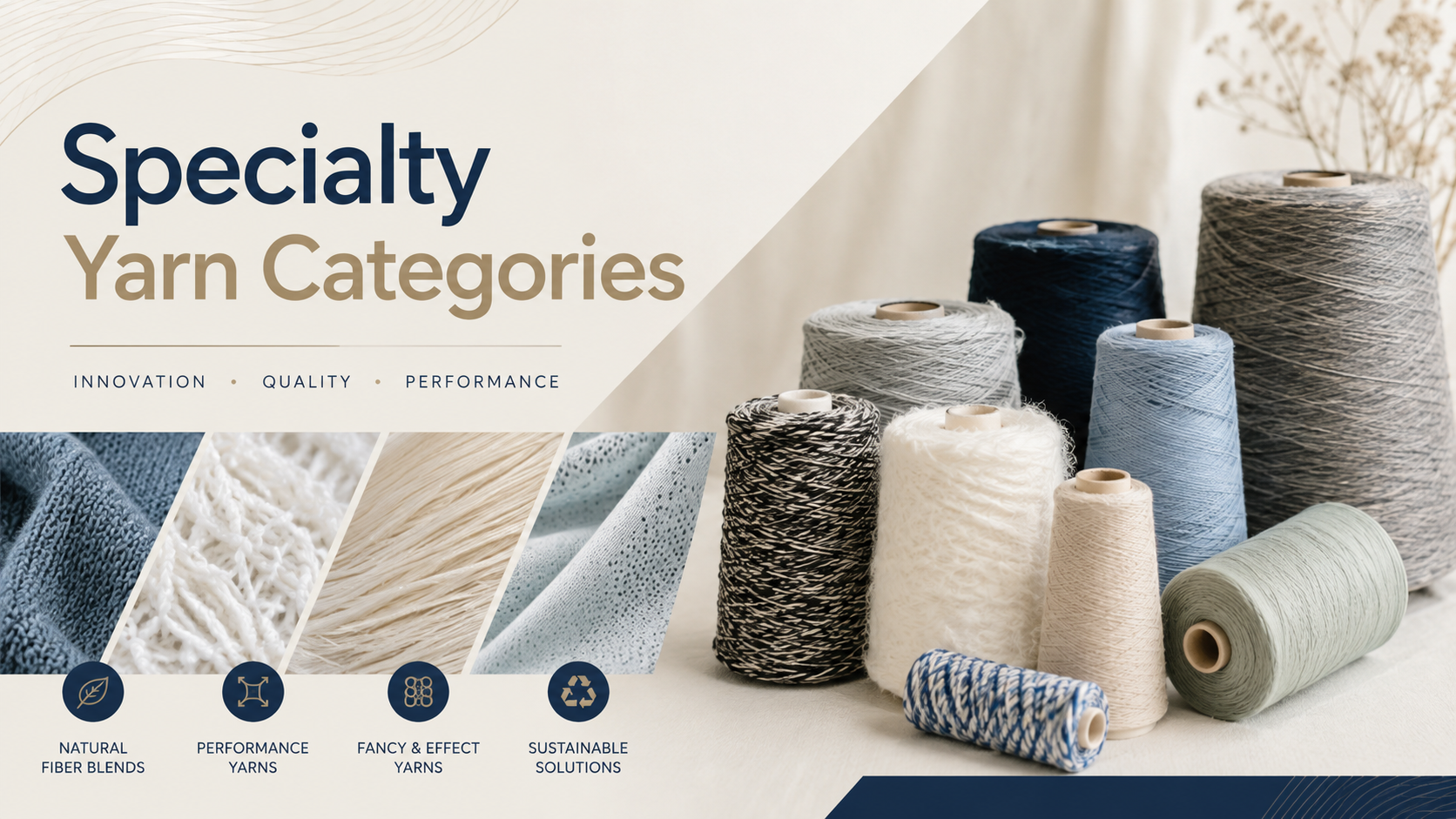
Specialty Yarn Categories
Specialty yarns offer functional properties, distinctive textures and engineered structures for fabric development. This guide explores functional, fancy, recycled and conductive yarns, helping apparel brands and sourcing teams compare materials for different textile applications.
01. Functional Yarns:
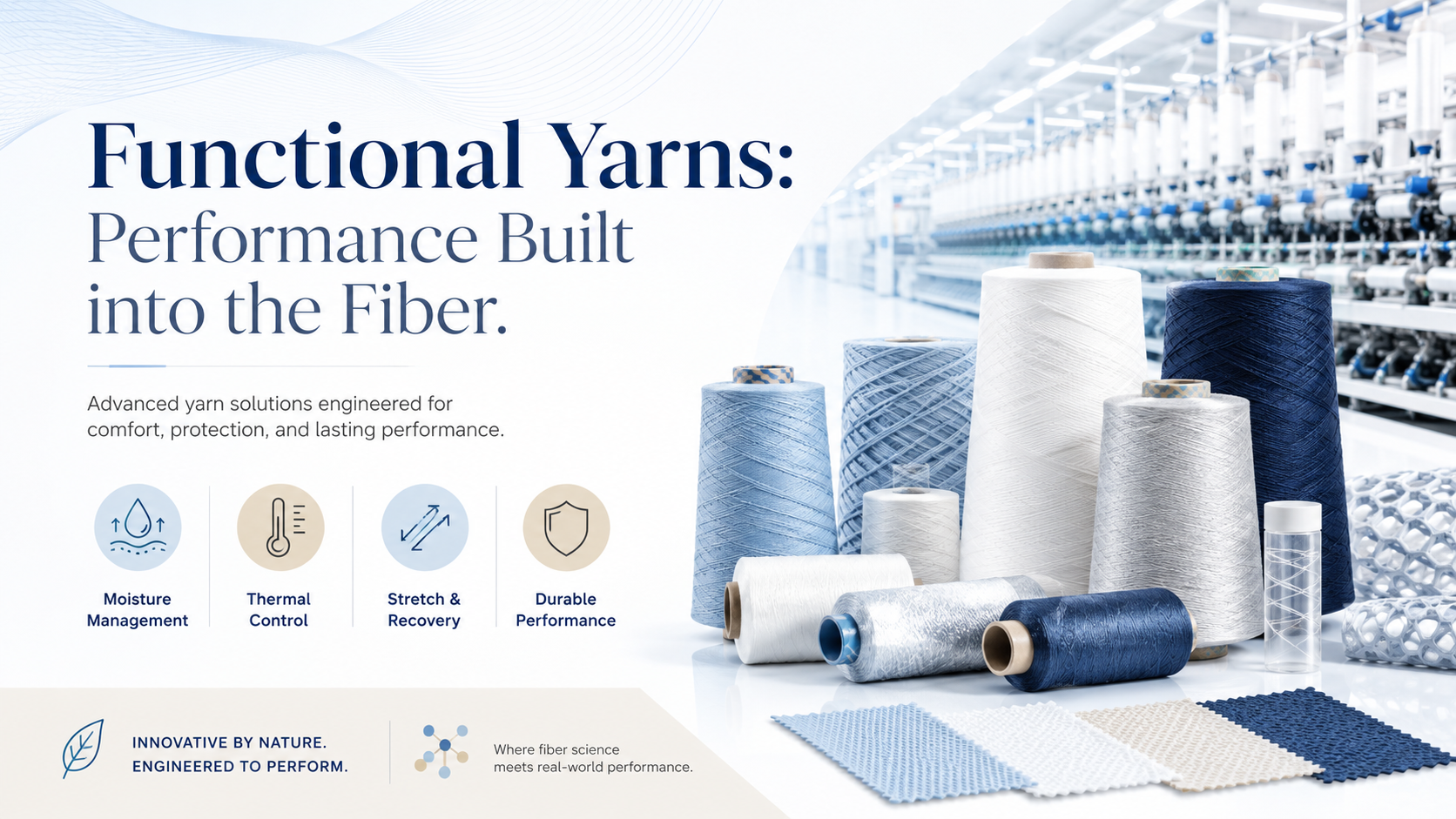
Performance Built into the Fiber
For performance fabrics, the yarn is often where the value begins. Functional yarns can be engineered before spinning by adding cooling minerals, antibacterial agents, UV protection, or heat-retention materials into the polymer or dope. Because the function is built into the fiber, it is generally more durable than a surface finish and is suitable for sportswear, inner layers, outdoor textiles, and wellness-oriented apparel.
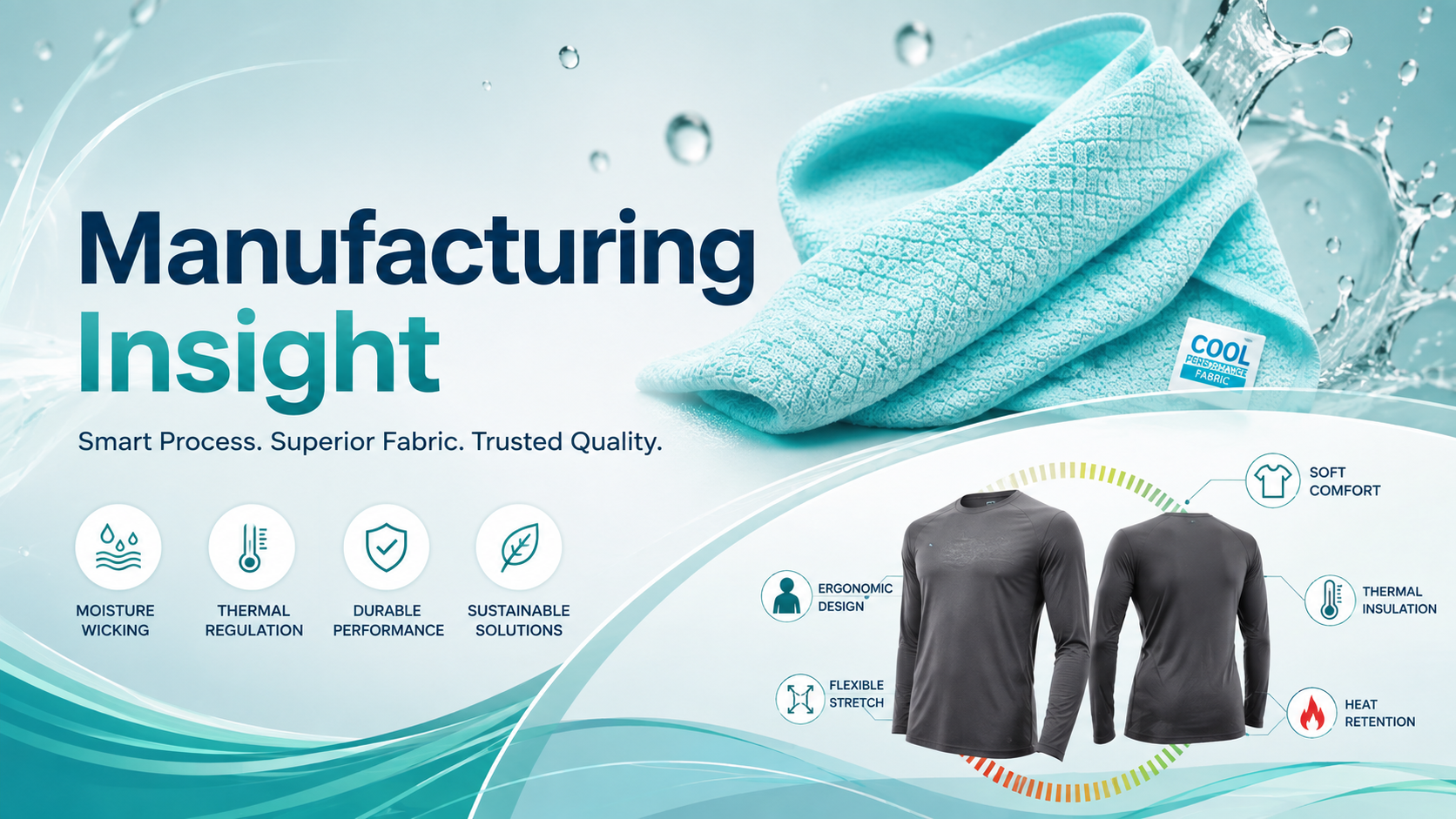
Manufacturing Insight
Dope dye / additive route: polymerization → functional powder addition → spinning. Typical examples include cooling yarn, far-infrared heat yarn, antibacterial yarn, anti-UV yarn, and thermal yarn.
Best for: cooling touch, heat retention, hygiene control, sun protection.
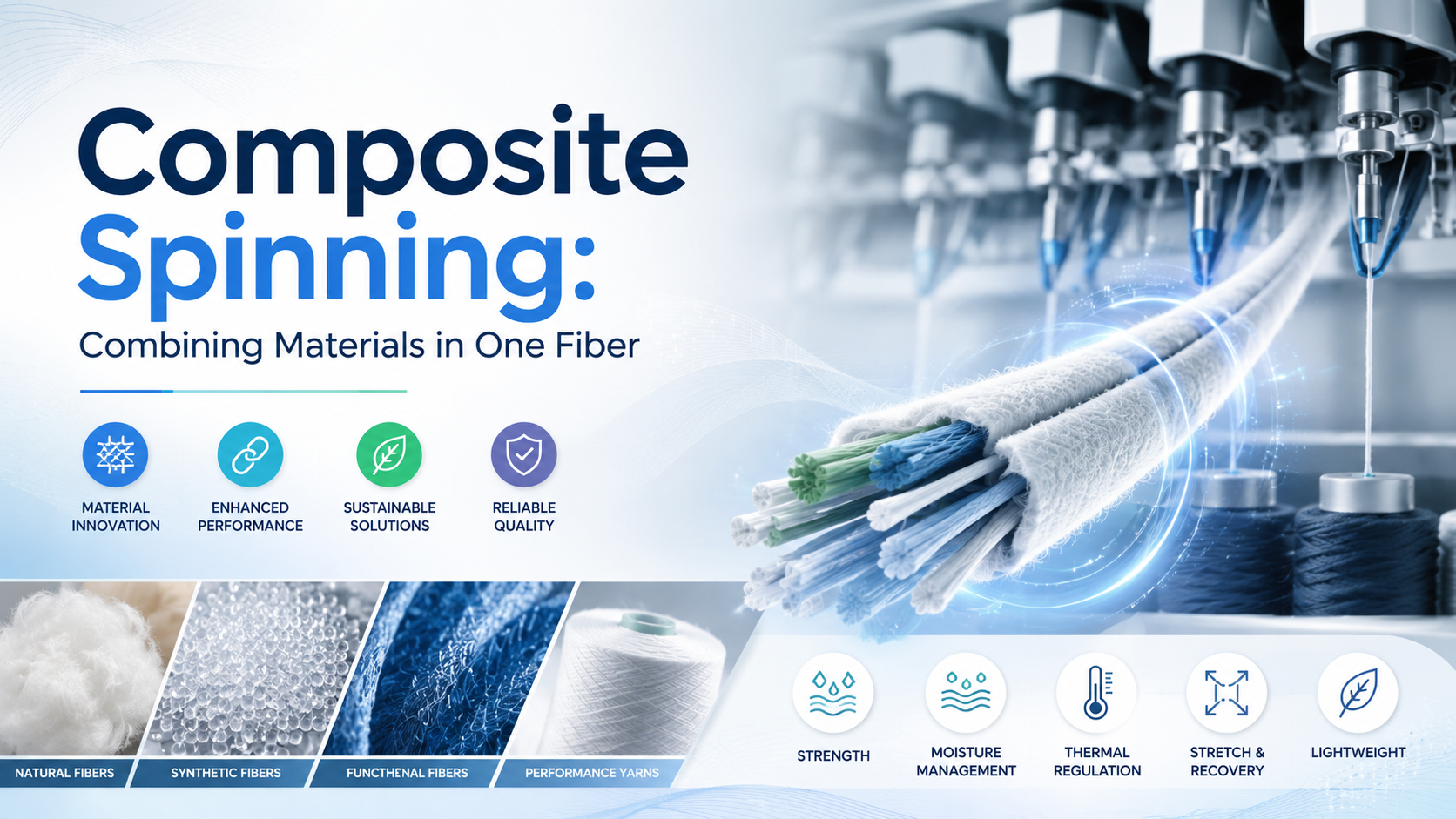
Combining Materials in One Fiber
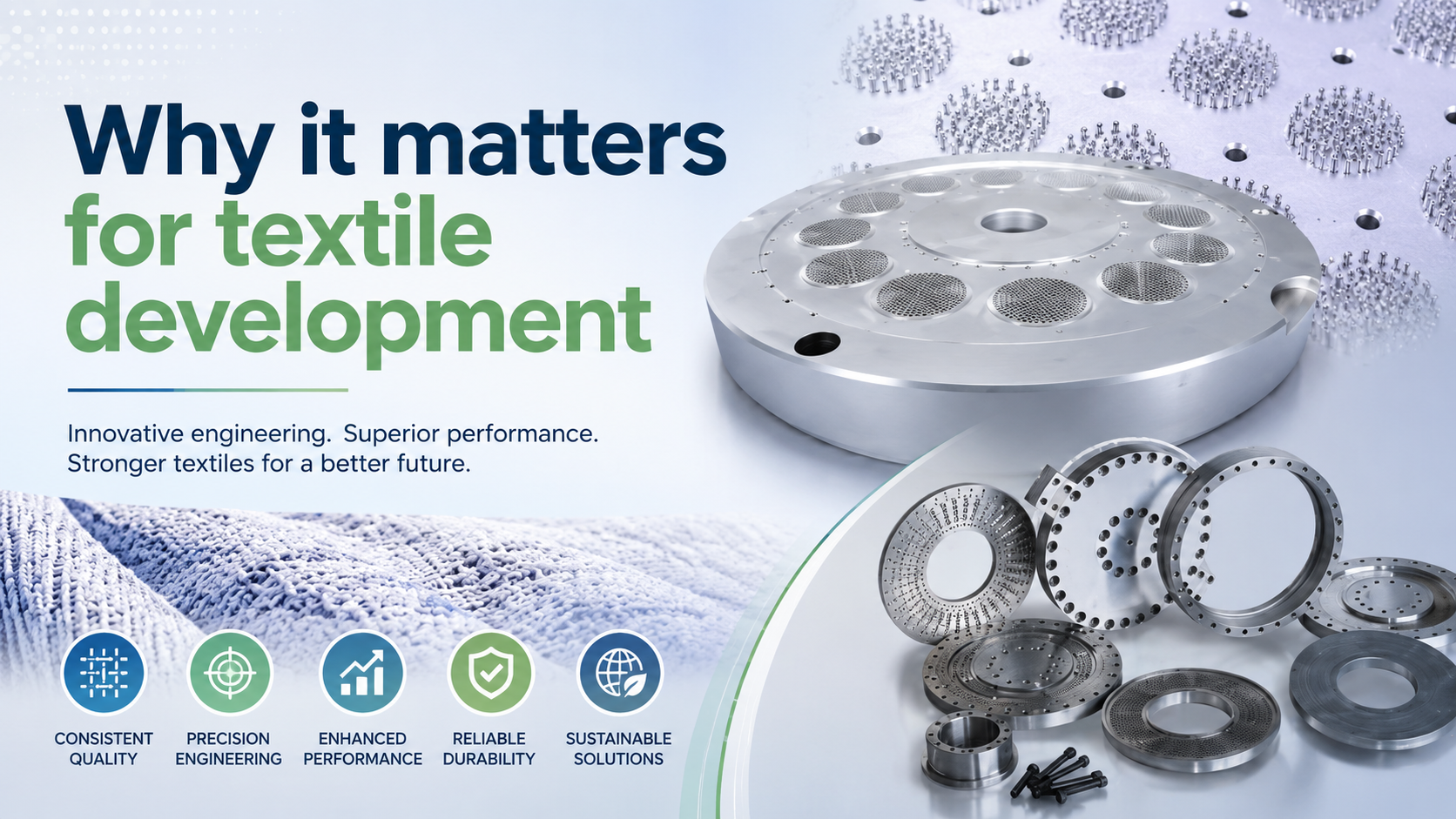
Composite spinning joins two or more polymers with different properties into one filament. Each polymer is melted, metered, extruded, and merged in or above a specially designed spinneret. After cooling and drawing, the single fiber carries multiple performance zones.
Why it matters for textile development
This method helps balance elasticity, strength, softness, bonding behavior, and micro-fiber formation. It is widely used when one raw material alone cannot deliver the required hand feel and performance.
Four Core Composite Structures
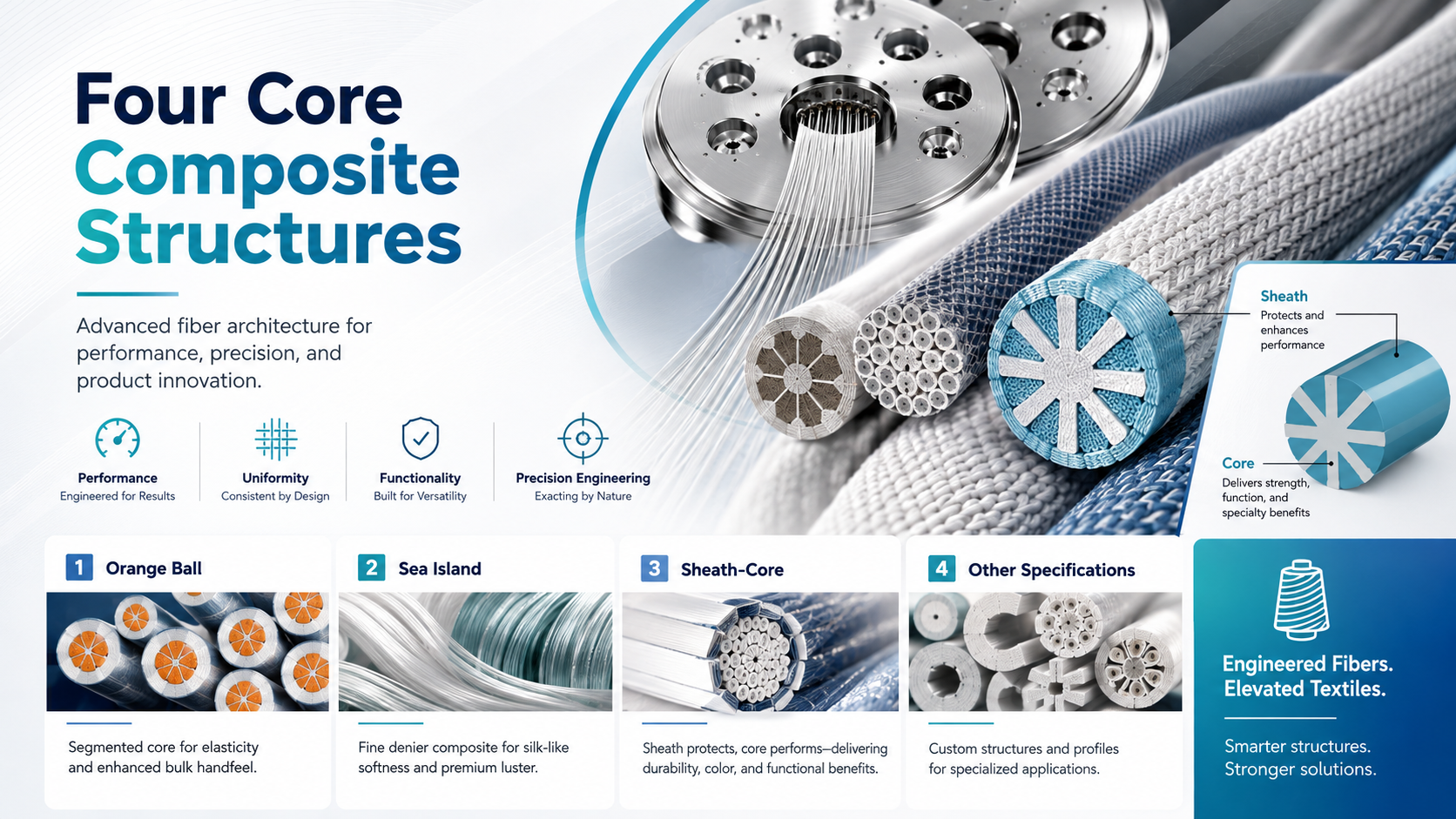
Composite yarn design is all about structure. Side-by-side fibers use shrinkage differences to create spring-like elasticity. Sheath-core fibers combine an outer layer and inner core, such as low-melting polyester around high-strength PET. Sea-island fibers create ultra-fine fibers after the “sea” component is dissolved. Segmented-pie fibers split into microfibers during mechanical or hydro processing.
Commercial Value
These structures help brands develop fabrics that feel softer, stretch better, bond more efficiently, or achieve higher surface area for wiping, filtration, and premium touch.
Typical yarns: core-spun yarn, blended yarn, microfiber yarn.
02. Fancy Yarns
Creating Texture, Color, and Visual Identity
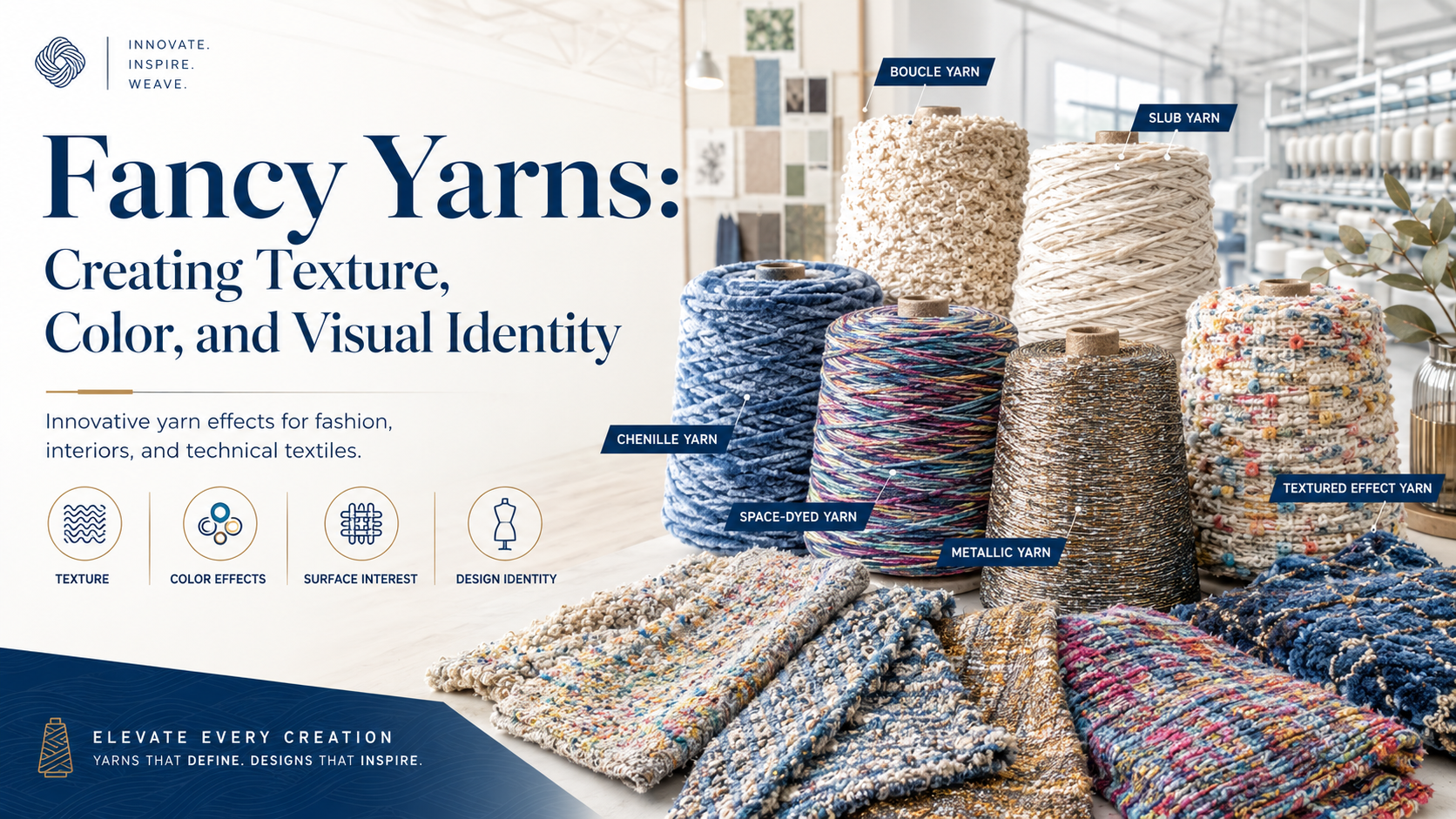
Fancy yarn is designed to be seen. Through special raw materials, spinning control, or post-spinning twisting, it creates irregular color, shine, loops, knots, waves, feathers, or tape-like shapes. These yarns are highly valuable for knitwear, woven fashion fabrics, lace trims, scarves, and decorative home textiles.
Main production routes
- Fancy twisting combines yarns with different counts, colors, twists, and feeding speeds.
- Hollow spindle systems can build more complex wrapped yarns.
- Knitting or crochet methods create tape and net-like yarns.
- Friction spinning and air-jet spinning can form mixed-color or uneven-thickness effects directly during spinning.
Popular Fancy Yarn Types
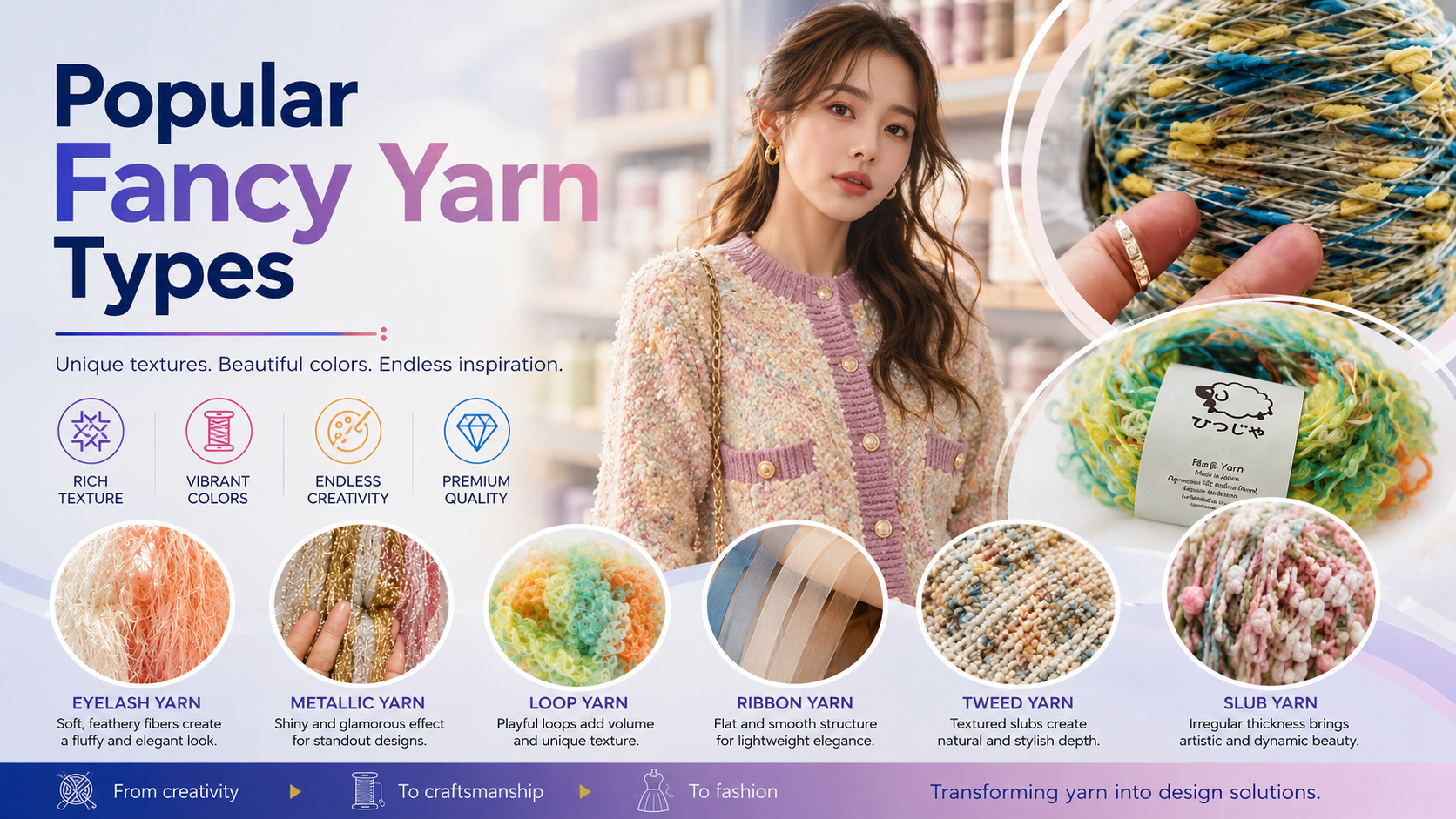
Knot yarn: irregular knots on the yarn surface.
- Bouclé yarn: looped texture with a soft, dimensional hand feel.
- Feather yarn: fluffy, feather-like appearance for warm and playful fabrics.
- Tape / ribbon yarn: flat yarn structure for statement surfaces.
- Metallic yarn: shiny film or metalized effect for decorative value.
- Slub yarn: random thick-and-thin areas or colored spots for natural texture.
03. Sustainable & Custom-Spec Yarns
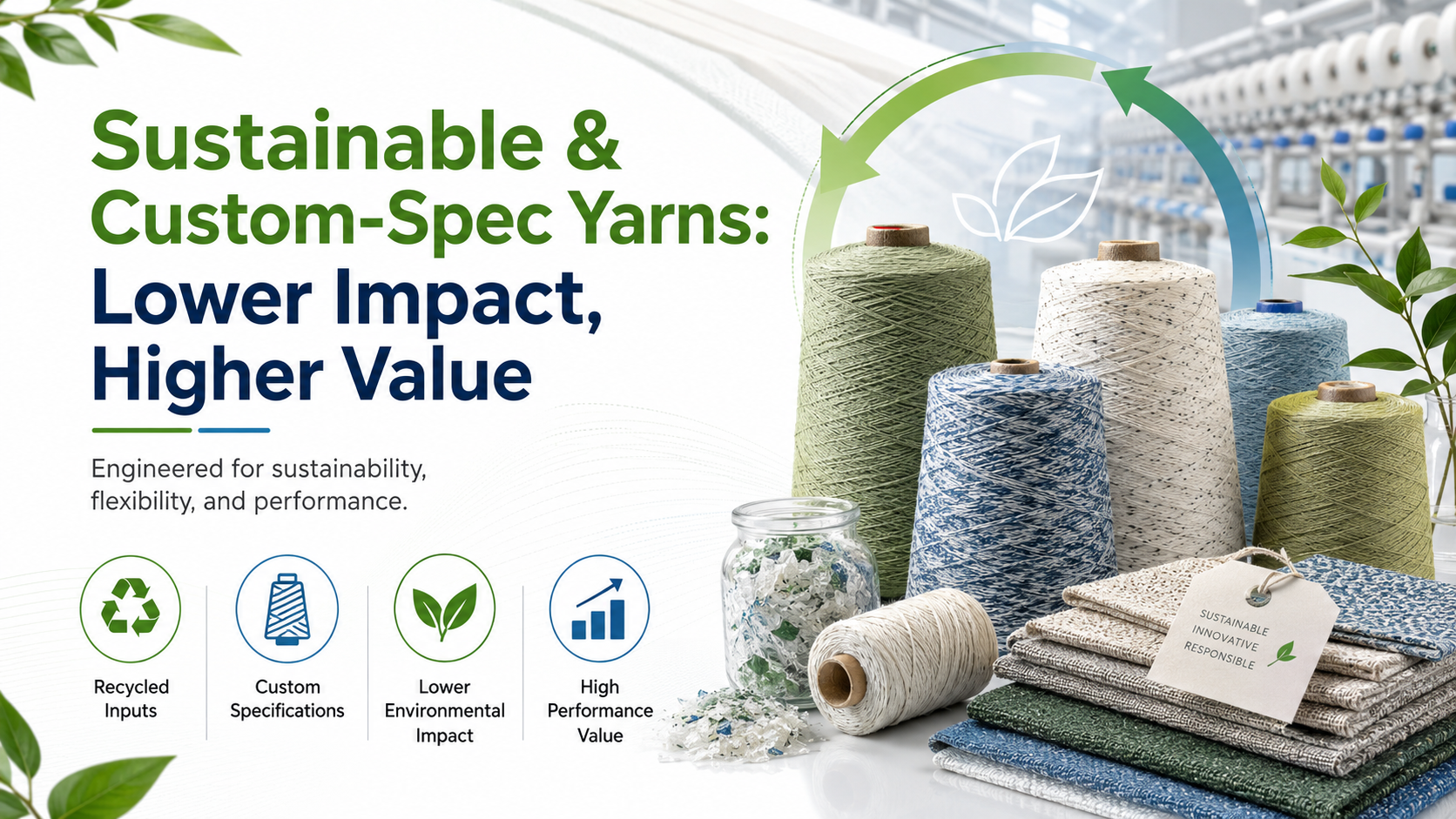
Lower Impact, Higher Value
Sustainable yarn development focuses on reducing carbon emissions, water use, and chemical pollution while keeping fabric performance stable. For textile manufacturers, this is not only an environmental strategy; it is also a clear product-positioning tool for sportswear, casualwear, bags, home textiles, and brand ESG collections.
Key production approaches
- Physical recycling turns collected PET bottles into flakes, melts them, extrudes polyester fiber, and spins it into yarn.
- Chemical recycling converts waste nylon, fishing nets, or textile scraps back into monomers before rebuilding high-quality nylon chips.
- Dope dyeing colors the material before spinning, helping reduce wastewater and shade variation.
- Natural and bio-based fibers add more material choices for greener product lines.
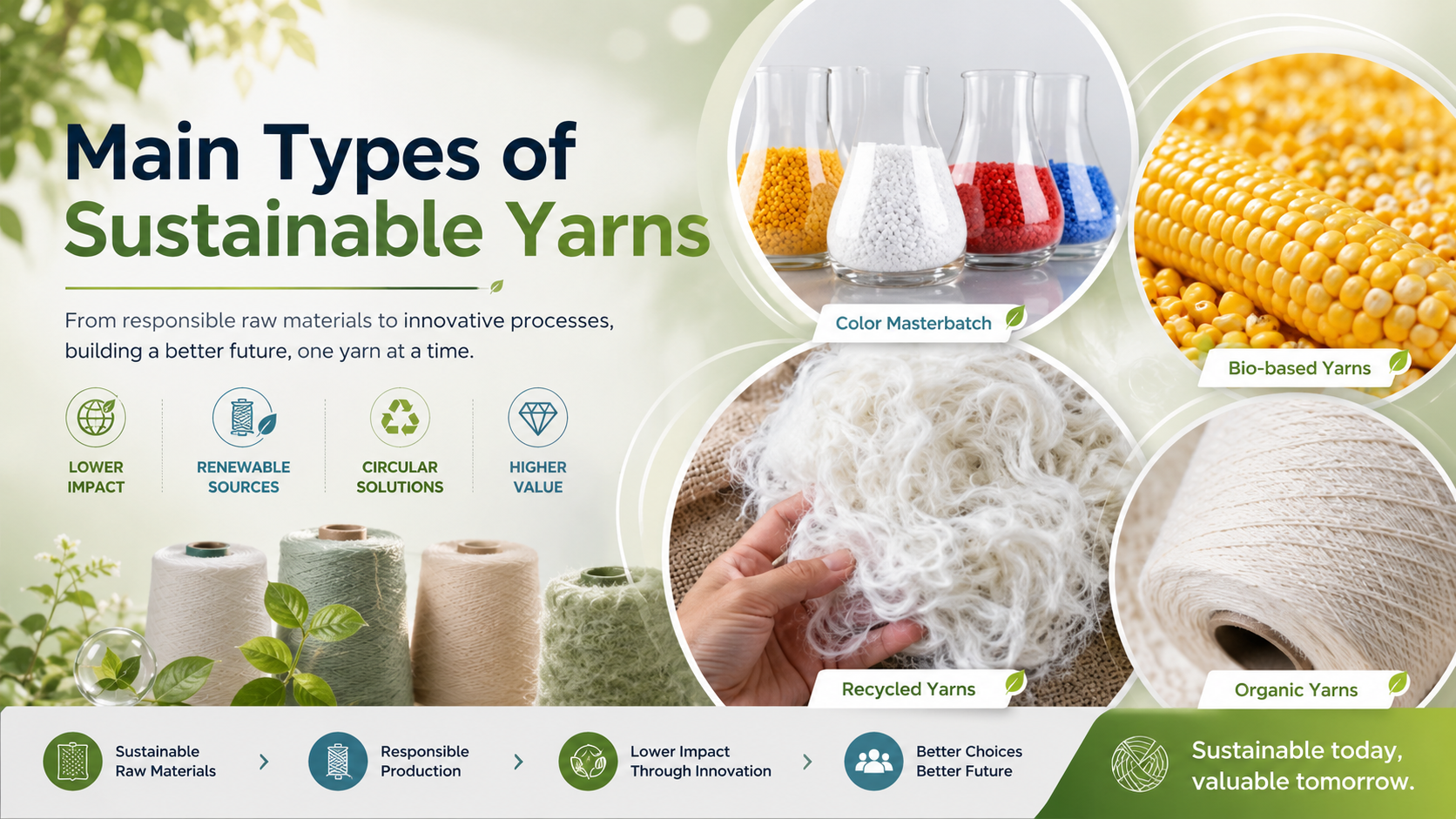
Main Types of Sustainable Yarns
- Recycled yarns reuse waste materials, including rPET from plastic bottles, recycled nylon from fishing nets or industrial scraps, and regenerated cotton from cutting waste.
- Natural yarns include organic cotton, Lyocell/Tencel™, pineapple leaf fiber, and pine needle fiber.
- Bio-based yarns such as PLA fiber or plant-based nylon reduce dependence on petroleum-based resources.
- Process-based options, such as dope dyed yarn, help reduce water consumption and wastewater during coloration.
Why brands care
Sustainable yarns support clearer material storytelling, product traceability, and responsible sourcing claims while keeping comfort, durability, and fabric appearance in focus.
04. Special Fibers & Engineered Structures
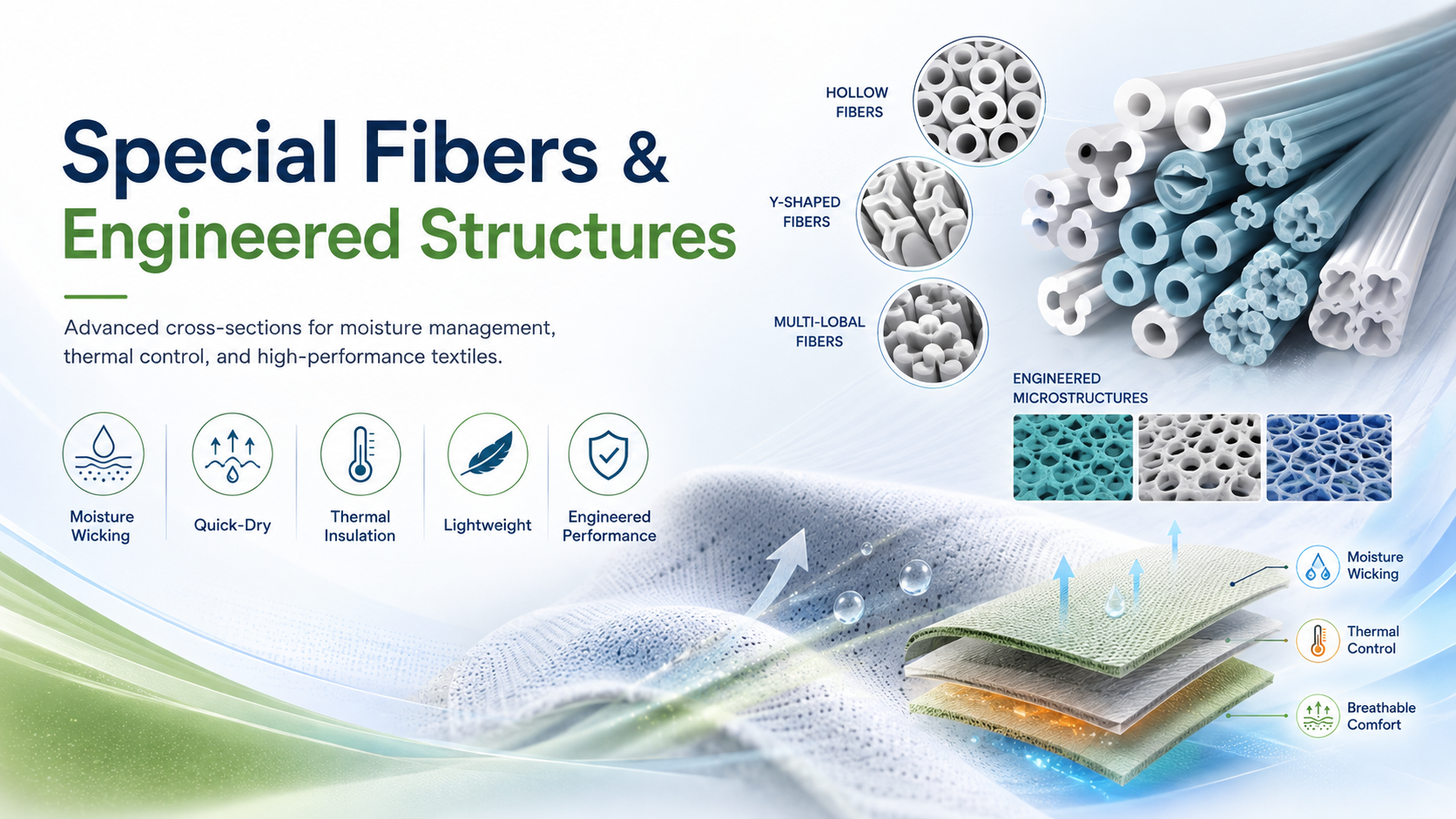
Fiber cross-section design can change how a fabric feels and performs.
- Compared with round fibers, shaped cross-sections increase surface area and create channels that support capillary action.
- This helps move sweat away from the skin and improves quick-dry comfort.
- Cross-shaped and Y-shaped fibers are often used for moisture management, while hollow fibers bring lightweight warmth and insulation.
Typical applications include moisture-wicking sportswear, quick-dry apparel and lightweight thermal layers.
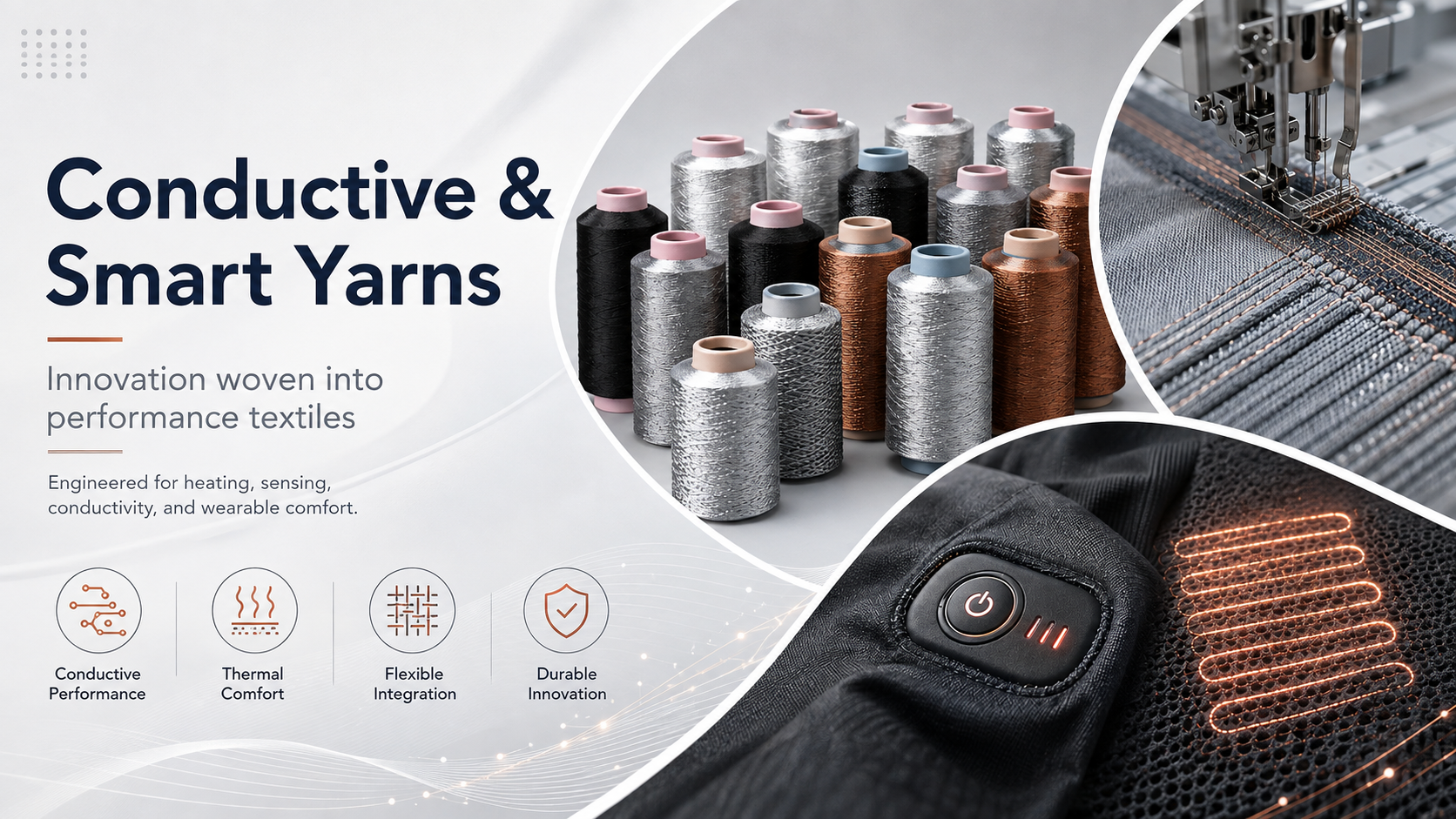
Conductive & Smart Yarns
Conductive yarns combine metals, such as silver or stainless steel, or carbon-based materials with textile fibers like nylon or polyester. Depending on their composition and construction, they can provide electrical conductivity for anti-static textiles, electromagnetic shielding and electronic textile applications.
Manufacturing routes
- Conductive Additives: Conductive particles are incorporated into the polymer before spinning.
- Surface Metallization: A conductive metal layer, such as silver, copper or nickel, is applied to the fiber or yarn surface.
- Blending and Twisting: Metal fibers or fine wires are blended or twisted with textile fibers or yarns.
Typical uses include touch-screen gloves, smart apparel, cleanroom garments, protective clothing, EMI shielding, and technical electronic textiles.
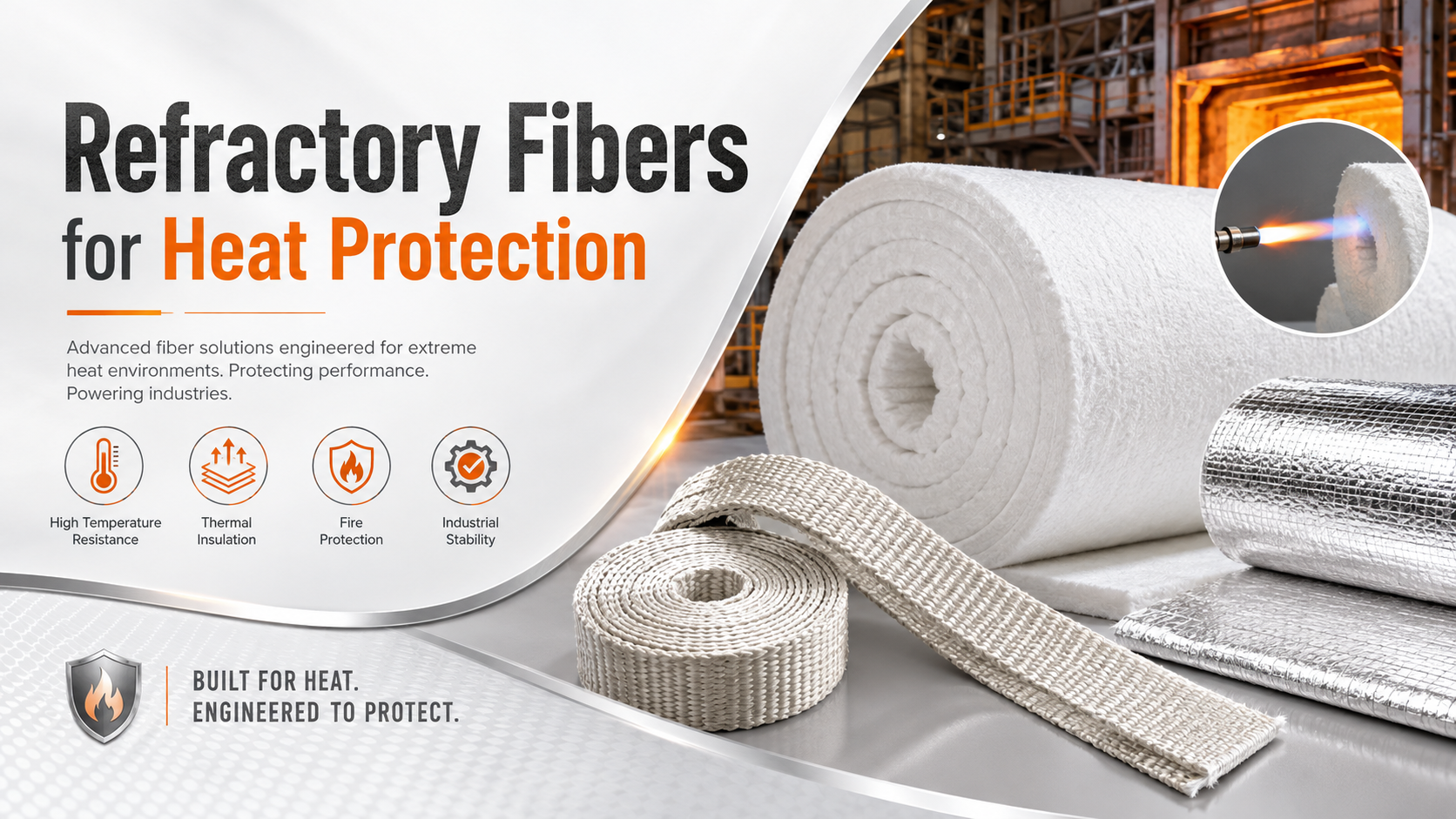
Refractory Fibers for Heat Protection
Refractory fiber is a high-performance, lightweight inorganic insulation material. It is designed for high-temperature resistance, low thermal conductivity, thermal shock resistance, and chemical corrosion resistance. In textile and industrial applications, these fibers help slow heat transfer and reduce flame spread.
Common material options
- Ceramic fiber is used in furnace linings, industrial heat insulation, fire barriers, and sealing gaskets.
- Rock wool, made from basalt, supports building fire protection and insulation.
- Glass fiber is used for fireproof cloth, fire blankets, and protective work surfaces.
- Aramid fibers such as Kevlar® and Nomex® are common in personal high-temperature protective equipment.
Choosing Specialty Yarns for Fabric Development
Choosing specialty yarns starts with the intended fabric application. Consider hand feel, stretch, appearance, care requirements and processing compatibility alongside the desired function. HITEK TEXTILE develops functional yarn technologies and supplies knit, lace and performance fabrics for global brands.